

What Exactly Is an MVA?
Let’s start with the basics. MVA is just legal shorthand for “motor vehicle accident.” It’s the umbrella term lawyers and insurance companies use for any collision involving cars, trucks, motorcycles, buses—you name it. If it’s got wheels and an engine, it counts.
But not all motor vehicle accidents are created equal. Some are minor fender-benders that leave you with nothing more than a scratched bumper and elevated blood pressure. Others? They’re life-altering events that leave victims with serious injuries, mounting medical bills, and no clear path forward.
The Immediate Aftermath: What Actually Matters
Right after an accident, your mind’s probably racing. You might be hurt, scared, or just plain angry. But what you do in those first few minutes and hours can make or break any potential claim you might have.
First things first—call the police. Always. Even if the other driver seems nice and suggests “handling it ourselves,” don’t fall for it. You need that official police report. It’s basically your first piece of
evidence, and trust me, you’ll want it later.
Then there’s the whole documentation thing. Take photos. Lots of them. The damage to all vehicles, the accident scene, road conditions, traffic signs, skid marks—everything. Your phone is your best friend here. People think they’ll remember all the details, but they won’t. Adrenaline does weird things to memory.
Get information from the other driver too. License, insurance, contact details. And if there are witnesses? Grab their contact info while they’re still around. Witnesses have this funny habit of disappearing when you actually need them weeks later.
Understanding Fault and Liability
Here’s where things get interesting. Determining who’s at fault in a motor vehicle accident isn’t al‐ ways straightforward. Sure, sometimes it’s obvious—someone ran a red light or was texting while driving. But other times? It’s a gray area.
Different states have different rules about fault. Some follow “pure comparative negligence,” which means you can still recover damages even if you’re partially at fault. Others use “modified comparative negligence” or “contributory negligence” systems. Yeah, it’s confusing. That’s kind of the point, honestly.
Insurance companies love confusion. It gives them wiggle room to minimize payouts. They’ll look for any reason to shift blame onto you, even partially. “Were you speeding?” “Did you have your headlights on?” “Were you distracted?” They’ll ask everything.
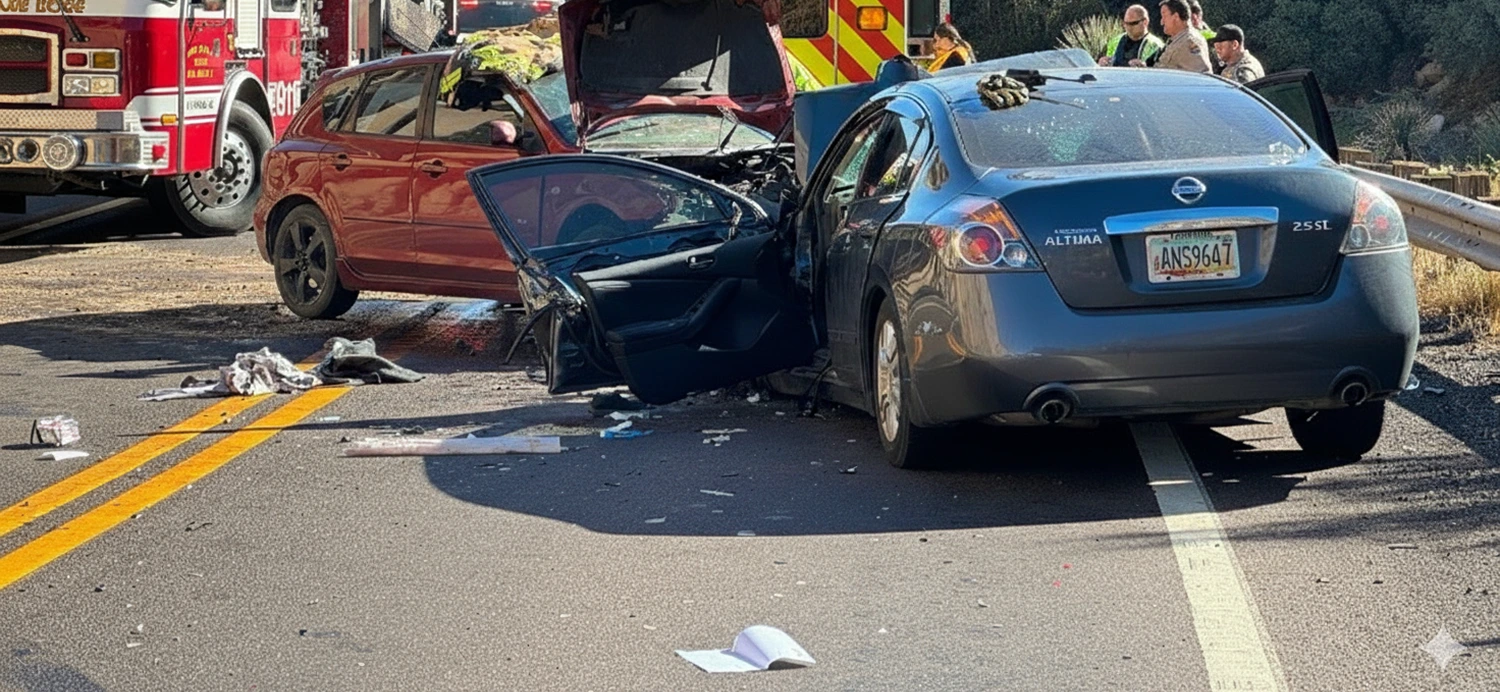
The Real Cost of MVA Claims
When people think about car accident claims, they usually focus on vehicle damage. But that’s just the tip of the iceberg. What about your injuries? The medical treatment you need now and might need in the future? The work you’re missing? The pain you’re experiencing?
Medical bills pile up fast after an accident. Emergency room visits, imaging tests, surgeries, physical therapy, medications—it adds up before you know it. And here’s something most people don’t realize: you might need ongoing treatment for months or even years after the accident.
Then there’s lost wages. If you can’t work because of your injuries, that’s real money out of your pocket. Not to mention the more intangible stuff—pain and suffering, emotional distress, loss of enjoyment of life. These aren’t just legal terms; they’re real consequences that deserve real compensation.
When Should You Call a Lawyer?
Look, not every fender-bender needs a lawyer. If it’s truly minor—no injuries, minimal damage, clear fault—you can probably handle it yourself. But if any of the following apply, you should absolutely talk to an attorney about a potential car accident lawsuit:
You were injured. Period. Even if it seems minor at first, injuries can worsen over time. Whiplash, back injuries, traumatic brain injuries—these don’t always show up immediately.
The insurance company is playing hardball. They’re denying your claim, offering you a lowball settlement, or dragging their feet. That’s lawyer time.

Liability is disputed. If the other driver is claiming you’re at fault (or partially at fault) and you disagree, you need legal representation.
Multiple parties are involved. Multi-car accidents get complicated fast. Everyone’s pointing fingers, multiple insurance companies are involved, and figuring out who owes what becomes a nightmare.
The MVA Claim Process
Filing an MVA claim isn’t rocket science, but it does have specific steps. First, you’ll need to report the accident to your insurance company—yes, even if you weren’t at fault. Most policies require prompt notification.
Then comes the investigation phase. Insurance adjusters will review the police report, interview involved parties, examine damage, and assess injuries. They’re looking for reasons to pay less, so be careful what you say.
Next up: negotiation. The insurance company will make an offer. Will it be fair? Probably not on the first try. This is where things get real. You need to know what your case is actually worth—not what they say it’s worth.
If negotiations fail, litigation might be necessary. That means filing a lawsuit and potentially going to court. Most cases settle before trial, but you need to be prepared for the possibility.
Don’t Make These Common Mistakes
I’ve seen people torpedo their own cases in so many ways. Here are the big ones to avoid: Admitting fault at the scene. Even saying “I’m sorry” can be twisted into an admission of liability. Be polite but don’t apologize or speculate about what happened.
Delaying medical treatment. If you wait weeks to see a doctor, insurance companies will argue you weren’t really hurt. Get checked out immediately, even if you feel okay. Accepting the first settlement offer. It’s almost always too low. Once you accept, that’s it—you can’t go back for more money later.
Posting on social media. Seriously. That beach photo where you’re smiling could be used to argue you’re not really suffering. Keep your accident off social media entirely.

Your Rights Matter
At the end of the day, motor vehicle accident claims exist to make you whole again. You shouldn’t have to pay—financially or otherwise—for someone else’s negligence. You have rights. You have options. And you deserve fair compensation.
The aftermath of a car accident is stressful enough without worrying about insurance companies and legal procedures. That’s why knowing your rights and understanding the process matters so much.
Whether you handle things yourself or bring in a lawyer, being informed is your best defense. Every motor vehicle accident is different. Your injuries are unique, your circumstances are unique, and your claim should reflect that. Don’t let anyone tell you otherwise.