

What We’re Actually Dealing With
Let’s be clear about what mesothelioma is. It’s a rare and aggressive form of cancer that develops in the thin layer of tissue covering most of your internal organs. That tissue is called the mesothelium, hence the name.
The most common type affects the lining around the lungs—pleural mesothelioma. But it can also develop in the abdomen, around the heart, or in other areas. Wherever it shows up, it’s bad news. We’re talking about a cancer with a latency period of 20 to 50 years and a prognosis that’s typically measured in months, not years.
And here’s the kicker: mesothelioma is almost always caused by asbestos exposure. Not “might be related to” or “possibly linked with.” No. If you have mesothelioma, there’s an overwhelming likelihood that asbestos exposure is why.
The Asbestos Problem Nobody Wanted to Talk About
Asbestos was everywhere. Construction materials, insulation, floor tiles, ceiling tiles, cement, automotive parts, shipbuilding materials—the list goes on. For most of the 20th century, it was considered a miracle material because of its heat resistance and durability.
The problem? It’s deadly
When asbestos fibers become airborne and people breathe them in, those microscopic fibers lodge in the lungs and other tissues. Your body can’t break them down or expel them. They just stay there, causing inflammation and cellular damage year after year, decade after decade, until cancer develops.
And companies knew. That’s the part that should make your blood boil. Internal documents from asbestos manufacturers have shown that many companies were aware of the health risks as early as the 1930s and 40s. They knew their workers were getting sick and dying. They knew their products were dangerous.
But they kept selling. They downplayed the risks. They fought regulations. They prioritized profits over people’s lives.

Who’s at Risk?
If you worked in certain industries before the 1980s (and sometimes even after), your risk is higher. Construction workers, shipyard workers, power plant employees, automotive mechanics, industrial workers, military veterans—especially Navy veterans who served on ships where asbestos was heavily used.
But it’s not just occupational exposure. Secondary exposure is real too. Workers would come home with asbestos fibers on their clothes, hair, and skin. Family members—often wives who did the laundry would be exposed. Kids playing with dad when he got home from work would be exposed.
And then there’s environmental exposure. People who lived near asbestos mines, processing plants, or manufacturing facilities sometimes developed mesothelioma just from living in the area.
The point is, you didn’t have to work directly with asbestos to be at risk. Sometimes just being in the wrong place at the wrong time was enough.
Recognizing the Symptoms
Mesothelioma symptoms often mimic other, less serious conditions. That’s part of why diagnosis is frequently delayed, which is tragic because time matters so much with this disease.
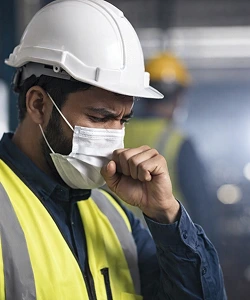
For pleural mesothelioma (the lung-related type), you might experience persistent cough, chest pain, shortness of breath, unusual lumps under the skin on your chest, or unexplained weight loss.
If it’s peritoneal mesothelioma (affecting the abdomen), symptoms include abdominal pain and swelling, nausea, and unexplained weight loss.
None of these symptoms are exclusive to mesothelioma. Most people who have them won’t have cancer at all. But if you have a history of asbestos exposure and you’re experiencing these symptoms—especially if they persist or worsen—you need to see a doctor and specifically mention your asbestos exposure history.
Diagnosis and Treatment
Diagnosing mesothelioma isn’t straightforward. It requires imaging tests like X-rays, CT scans, or MRIs, followed by a biopsy to confirm the presence of cancer cells. Because it’s so rare, many doctors don’t immediately suspect it, which contributes to diagnostic delays.
Treatment options depend on the cancer’s stage and location, as well as your overall health. Surgery, chemotherapy, and radiation are the main approaches, often used in combination. There are also clinical trials investigating newer treatments like immunotherapy and targeted therapy.
I’m not going to sugarcoat this: mesothelioma treatment is tough. It’s aggressive cancer, and fighting it requires aggressive treatment. But advances are being made, and some patients are living longer than was previously expected. Every case is different, and maintaining hope while being realistic is a delicate balance.
Legal Rights and Compensation
Here’s what you need to understand: if you developed mesothelioma because of asbestos exposure, you likely have legal options. And pursuing a mesothelioma lawsuit isn’t just about money—though financial compensation matters when you’re facing mounting medical bills and potentially losing your ability to work.
It’s about accountability. It’s about holding companies responsible for knowingly exposing people to a substance they knew was deadly.
There are several potential avenues for compensation:
Personal injury lawsuits allow you to sue the companies responsible for your asbestos exposure. This could be your former employer, manufacturers of asbestos products, property owners—anyone whose negligence contributed to your illness.
Wrongful death claims can be filed by family members if the mesothelioma patient has passed away. These lawsuits seek compensation for the family’s loss and suffering. Asbestos trust funds exist because many companies that used asbestos have filed for bankruptcy. As part of the bankruptcy process, they established trust funds to compensate victims. There are currently billions of dollars in these trust funds.
Veterans benefits are available if you’re a military veteran who was exposed to asbestos during service. The VA provides disability compensation and healthcare for service-related illnesses, including mesothelioma.
Workers’ compensation might apply if your exposure happened on the job, though these claims typically provide less compensation than personal injury lawsuits.
What Compensation Covers
Mesothelioma compensation through lawsuits and claims can be significant, and for good reason. This disease tears lives apart.
Medical expenses are obviously covered—we’re talking about cancer treatment here, which is astronomically expensive. Surgery, chemotherapy, radiation, medications, hospital stays, follow-up care. All of it adds up fast.
Lost income matters too. If you can’t work because of your illness, that’s income your family doesn’t have. And if you’ve already retired, you might still be able to claim lost earning capacity from the years your career was cut short.
Pain and suffering compensation acknowledges the physical and emotional toll of living with mesothe‐ lioma. The pain, the fear, the anxiety, the loss of life quality—these aren’t just abstract concepts.
They’re real, and they deserve recognition.
Funeral and burial costs can be included in wrongful death claims.
Punitive damages might be awarded if the defendant’s conduct was particularly egregious—like knowingly exposing workers to asbestos despite being aware of the danger.

Time Is Critical
I can’t stress this enough: if you’ve been diagnosed with mesothelioma, time matters. Not just for your health and treatment, but legally too.
Every state has statutes of limitations that set deadlines for filing lawsuits. These deadlines vary by state, but they’re strictly enforced. In some states, you have just one year from diagnosis to file. Miss the deadline, and you lose your right to compensation forever.
That might sound harsh, but it’s the reality of the legal system. You need to act quickly.
The good news is that attorneys who handle mesothelioma cases understand the urgency. They know you don’t have time to waste, and they typically work fast to get claims filed and moving forward.
Finding the Right Legal Help
Not every lawyer handles mesothelioma cases. You need someone with specific experience in asbestos litigation. These cases are complex—they require knowledge of medical issues, industrial history, corporate liability, and intricate legal procedures.
Most mesothelioma attorneys work on contingency, which means you don’t pay anything upfront. They only get paid if you win your case or secure a settlement. That makes legal representation accessible even when you’re dealing with financial strain.
When you talk to potential attorneys, ask about their experience with mesothelioma cases specifically. How many have they handled? What were the outcomes? How do they approach these cases?
You should feel comfortable with whoever you choose. You’re trusting them with something incredibly important during an incredibly difficult time in your life.
You Deserve Justice
Nobody should have to face mesothelioma. It’s a preventable disease that continues to claim lives because companies valued profits over safety.
If you or someone you love is dealing with this diagnosis, please know that you have options. Legal recourse exists not just as an abstract right, but as a practical tool for getting the compensation you deserve and holding wrongdoers accountable.
This isn’t about being litigious or money-hungry. It’s about justice. It’s about making sure that the companies responsible for your exposure face consequences. And it’s about securing financial resources to help you and your family through an unimaginably difficult time.
You’ve already been through enough. Let the legal system work for you the way it’s supposed to.