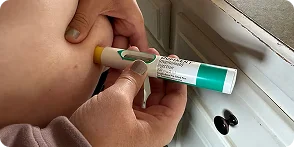

What Is Dupixent?
Injecting dupilumab – known by the brand name Dupixent – is a doctor-only option aimed at managing certain inflamed conditions. Think eczema, often called atopic dermatitis, where skin becomes red and sensitive. Asthma shows up too, sometimes part of the same underlying pattern. These aren’t rare cases; they link into broader immune-driven cascades. The drug works by blocking specific signals that fuel these reactions over time. Instead of amplifying them, it helps lower noise in the system, letting flare-ups slow down on their own.
Not every strong medicine works without risk. Eyesight changes show up now and then, along with sensitivity to certain substances. Trouble often rises if the routine seems off, like illness patterns shifting or fresh alarms popping that do not line up with what began it.
Why Are People Filing Dupixent Claims?
Some court battles center on if people got proper alerts about possible side effects. Before taking the drug, did they receive clear details on associated dangers? That question often drives the debate.
When it comes to the details, claims in a Dupixent lawsuit could center on:
Warning omissions? Allegations suggest major hazards stayed hidden from view
Worsening signs were often called “eczema flares,” so further checks might come later than needed
- Disease progression: patients and families questioning whether earlier knowledge could have changed decisions or outcomes
People feel they didn’t get enough details to understand what they were agreeing to. Concerns about informed consent arise when individuals claim lack of clarity in the information shared. Sometimes, it’s perceived that key points were overlooked during decision-making processes.
What lies behind it – folks wonder if choices would’ve stayed alike, had the real risks been clear right at the start.
Free case review here.
Signs and Symptoms People Report
Every tale feels different. Yet some shapes keep appearing – even if rare – and demand attention, particularly if that inner warning kicks in: clearly, things have changed.
People often say
A rash or skin issue that got worse, even after beginning Dupixent
- New or worsening patches/plaques that became persistent or “different than usual”
Sweat at night. Tired for no reason. Lymph nodes feeling bigger. Or weight shifting without cause. - A later diagnosis of CTCL, mycosis fungoides, or Sézary syndrome
That moment when people keep saying “just eczema” over and over – only later does a biopsy, expert assessment, or fresh test shift everything
Something stays off signal, even when tests say otherwise. That quiet, that hold where pain gets brushed aside – it asks for second looks.
People who might qualify include those already taking steady medicines without enough results, dealing with severe symptoms, or trying different treatments without success.
A Dupixent mass tort lawsuit or product liability lawsuit could make sense when.
Right off, you mentioned Dupixent, then –
Later tests confirmed you have CTCL (or something like it), plus
Life hit hard when serious health issues struck, landing you in intensive care or a hospital room, stuck with constant medical needs
Things that might count include:
- Time spent taking the medication
Symptoms shifted when changes appeared (how they changed)
Here’s what happened in order: biopsies came first, then visits to dermatology and oncology teams. After that, test results from pathology arrived. Each step followed the one before it, laying out the full picture of your diagnosis journey
Looking closer at cases where rash got labeled eczema again and again, without digging further into causes.
Uncertainty often comes naturally. That’s why case reviews exist – to see if what you went through fits alongside active legal matters tied to Dupixent litigation, especially questions around how cases might proceed, such as whether they could move together under a shared strategy like an MDL (multidistrict litigation) or another grouping method for large-scale disputes.
Start here if you’re wondering whether you fit the criteria

What Compensation Could Cover
Should a claim move forward after being accepted, possible financial recovery in a Dupixent-related injury could involve
Medical bills past and future
- Lost income and reduced ability to work
- Pain sticks around when suffering shows up. Distress tugs at emotions, leaving marks that won’t fade fast.
- Travel expenses sit near the top. Caregiving costs add pressure. Specialty treatments pile on further.
- When someone dies without justice, like in a wrongful death, expenses pile up – funeral bills add weight, while the loved ones also feel the absence, broken by what was taken away through lost care and closeness
Each situation unfolds its own way. A look at past reviews might show how things connect to where you stand now, along with possible outcomes tied to harm suffered.
How the Process Works
Legal action may seem like an uphill battle – that is why things stay straightforward:
- Fill Out the Form – Start by entering information on how Dupixent was used, what symptoms showed up, and when diagnoses were made.
- During the phone intake call, a qualified representative collects essential details along with necessary documents.
- If it looks like a fit, your information may be checked by legal staff working on mass tort or dangerous drug cases.
- Next Steps – Once things are checked, the lawyer talks about what comes after, assuming eligibility, laying out required steps and needed materials.
Carrying everything by yourself isn’t required. Knowing what help exists makes things feel lighter when you need it.
Free case review here.
Some questions come up again and again. What do people usually ask?

Do I have to stop taking Dupixent to file a claim?
Not true. Choices about care fall to you and your healthcare provider. The timing of your claim depends on when you file and what documents are needed – this part isn’t pushing any shifts in how you’re treated.
One day it hit me – no one told me about real dangers.
That one problem shows up a lot in lawsuits about not giving warnings on defective products. Looking back at similar situations might show if your case lines up with what plaintiffs are claiming in Dupixent cases.
What if I’m not sure my diagnosis “counts”?
It is fine. A number begin without clearness. Should you hold medical files – like test outcomes or doctor comments – they might bring a sharper view.
Talking to someone might ask for money. Sometimes it does, sometimes it does not. That part depends on what is being offered.
Not at all. The case review comes at no cost and happens privately, with care taken to protect confidentiality.
Final Thought
Expectations rise once someone uses a prescription medicine – safety measures should follow, like thorough testing, clear alerts, also open honesty about risks, coming straight from both the making firm and the medico vendor standing behind it.
Life changing after Dupixent? Maybe that shift caught you off guard. A question worth asking: Could your situation lead to a drug-related lawsuit, perhaps even a broader legal matter? What matters most is understanding what options exist – clearly, without rush or push.
Need help? Here, have a lawyer.
Anytime, just call in for a no-cost case review.