
- California Wildfire Injury Claims: What You Can Do When the Fire Took More Than Property
- What counts as a “wildfire injury claim”?
- Why wildfire claims sometimes involve utilities, landowners, or government entities
- How mass tort wildfire litigation works (and why it matters)
- What makes wildfire injury claims different from typical injury cases
- What to do if you think you have a wildfire injury claim
- What compensation may include
California Wildfire Injury Claims: What You Can Do When the Fire Took More Than Property
If you were injured due to a wildfire in California in either a physical, emotional or financial manner, then you might be in a position to pursue compensation as well as hold those accountable. This document is intended to be easy to read and to comprehend, without overwhelming you with complex legalese. With different circumstances surrounding each situation, the fundamentals of a matter are the same.
What counts as a “wildfire injury claim”?
Wildfires may result in more than just severe burns, although these cases are certainly included. A number of people suffering from wildfires are hurt in a more subtle and gradual manner. Common examples include:
1) Physical injuries during evacuation
In evacuation traffic jams, people may be involved in car crashes or slip over while hurrying to leave. Furthermore, family members may get hurt while trying to help each other, and there may also be accidents due to poor visibility.
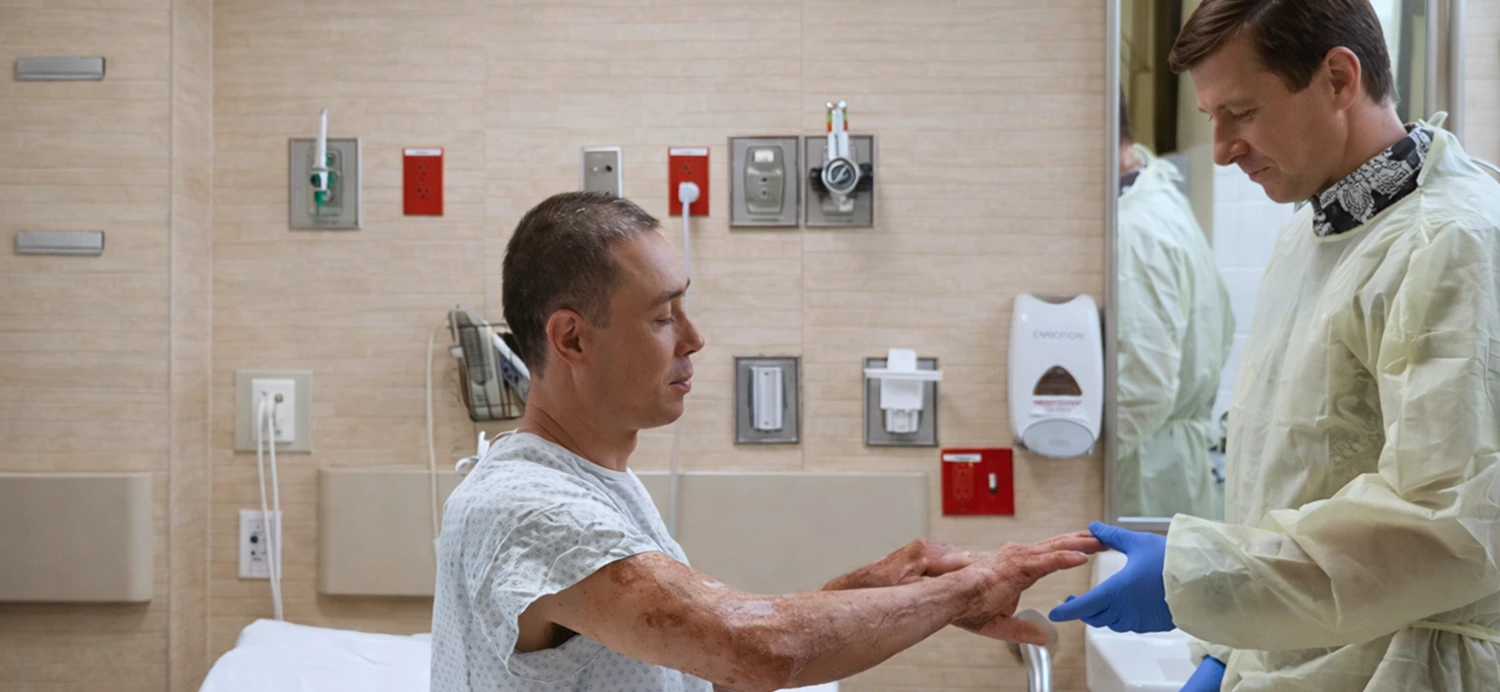
2) Burns and heat exposure
Fires cause direct contact injuries, and smoke inhalation may cause burns. Heat exhaustion may also result from a fire and lead to further health complications.
3) Smoke inhalation and respiratory harm
Individuals with respiratory conditions such as asthma are more susceptible to health complications from exposure to smoke. These conditions include chronic bronchitis and acute asthma flare-ups. Moreover, long term lung problems may also arise as a result of smoke. In addition, individuals suffering from cardiovascular disease are likely to experience complications due to smoke inhalation. People in these groups are among those most likely to contract the condition. This includes both adults who are elderly and children. Those with a pre-existing health condition also belong to this group.
4) Toxic exposure
Wildfire smoke isn’t “just smoke.” Wildfires release a cocktail of pollutants into the air when homes, vehicles, electronics, plastics and industrial products burn. It may be difficult to identify the underlying cause of the condition at first due to the symptoms being somewhat elusive.
5) Psychological injury
People affected by a bushfire may experience symptoms of post-traumatic stress disorder, such as anxiety and sleeplessness. Furthermore, depression and panic attacks may also occur. Many animals “almost died” during the radiation accident, when many radioactive animals were found at the farm. Experiences such as losing a home, being displaced, and watching one’s community change can have a profound effect on the nervous system.
Burns frequently arrive in several stages. The victim can suffer a single major injury (such as a respiratory condition) together with secondary complications which include the absence from work, medical costs, the stress of moving home and problems affecting mental health.
Why wildfire claims sometimes involve utilities, landowners, or government entities
While it is true that wildfires are often triggered by the forces of nature, many scientists and emergency management professionals are now coming to believe that human actions have become a significant contributing factor to wildfires. While many large wildfires have been traced to natural causes, some investigations have pointed to the role of human causes such as downed power lines, defective equipment, and lack of forest clearing as contributing factors.
Depending on the facts, liability can involve:
Utility companies and their contractors,
Individuals owning or managing property (including landowners who are liable for hazards)
In some instances equipment failure is attributed to the manufacturers.
Public bodies and government agencies may, when precise legal conditions are satisfied, act as patent holders.
It’s not necessary for you to work out the cause on your own. Individuals such as lawyers, insurance companies and investigators may often be involved in finding the origin of, and reason for, major incidents over a lengthy period.
How mass tort wildfire litigation works (and why it matters)
California wildfires have led to numerous class actions. The scale of this is such that these claims are often class actions or mass torts. This is due to the fact that numerous individuals suffered the same types of injuries in the same incident.
No one is suggesting a massive lawsuit in which everyone is a plaintiff or defendant with the same result. In most cases, “above all else” means most importantly.
Numerous individual claims are submitted.
The cases may be dealt with jointly as the available proof covers several areas (health and safety procedures, the cause of the fire, decision-making by companies).
In certain cases, a structured settlement may be applicable.
The use of mass tort type case coordination can have the result of decreasing duplicative legal actions. It forces key evidence to be exposed. While this process may work more smoothly in less complicated situations, it can often be time-consuming when extensive investigation is involved in a claim.
Following a major fire event, claims associated with wildfire injuries are evaluated in a wider context. A good legal team can assess your position and recommend either a class action suit or separate legal actions.
What makes wildfire injury claims different from typical injury cases
Wildfire injury claims have a few unique challenges:
1. The injury may not look “dramatic” at first
Because smoke related injuries and illnesses are not always visible they can be misdiagnosed. While you might look and feel fine, you could be experiencing sleep difficulties at night or emotions for months. The most important thing about documentation is not to justify your existence, but to make your mistakes obvious to those who like order.
2. Exposure can be hard to define
Those injured by wildfires are typically exposed to a variety of factors which can affect their injuries. This is not the same as the single location accidents such as slips and falls. Factors which can affect those injured by wildfires include the time of year the fire occurred, smoke conditions and geography. The data used in this form includes a patient’s medical history, the places they have been, an examination by a doctor and a list of the symptoms they have been experiencing.
3. People minimize their own suffering
People often say that the situation isn’t that bad when they can think of someone else who had it worse. The fact that my actions may have been justified does not diminish their negative impact. Injuries resulting from forest fires are varied. You don’t have to be the worst in your community to deserve assistance.
What to do if you think you have a wildfire injury claim
In recovery from a major disruption, the essentials should be clearly outlined, not a plethora of checklists to sift through. It is advisable to have a few options available to you at all times.
- Medical Help Should be Sought and the Entire Situation Should be Fully Explained to the Doctor
Individuals who suffer breathing difficulties, discomfort in the chest, recurring headaches, dizziness, rashes or if they feel an increase in anxiety, should consult a doctor. When contacting a healthcare provider regarding fire exposure, be prepared to provide details about the event. These include where you were during the incident, how long you were exposed to the fire, whether you evacuated the premises, and what symptoms developed after the incident.
- Write down your timeline
You don’t have to take ideal notes – just a basic record of what was said.
People were in the street when the flames erupted, the streets filled with a thick haze of smoke. They had to go down into the underground for safety. Others got out quickly and went to a safe place.
Onset of symptoms occurred when
how they changed over time,
What treatment were you seeking?
There were also, of course, the effects on work and daily life.
- Save what you can
Individuals with valid claims for reimbursement have submitted records including air purifier purchases, medication costs, photos, evacuation notices, lodging receipts and documentation of lost work hours.
- Be cautious with quick settlements
Following a natural disaster the population will typically be emotionally drained and extremely susceptible to illness. If someone pressures you to “sign and move on,” slow down. It’s perfectly acceptable to ask for advice before making a commitment that might limit future access to recovery.
If you or a family member has been seriously hurt, consult a lawyer who specialises in wildfires.
Insurance policies for wildfires are a niche area. When looking for a firm to handle your California wildfire case, it is essential to find a law firm that is knowledgeable about this type of litigation.
What compensation may include
The amount of compensation awarded in a wildfire injury claim is dependent on various factors including the severity of the injury, the cost of any medical treatment required, any loss of earnings and other related expenses.
- Medical expenses and the cost of continuing treatment.
- respiratory therapy and specialist care
- Loss of earnings and impaired ability to earn
- Out of pocket costs resulting from relocation
- There is pain and also suffering
- mental health treatment for trauma and anxiety
- As a result, severe disability could impact long term
People also have overlapping rights to a property. Their damage can also have a major impact on your quality of life, which is a focus in injury claims, as opposed to property damage claims.
A steady truth: you’re allowed to rebuild with support
Life after a bushfire can be very unsettling as though everything is only a temporary arrangement. It’s not a sign of weakness to admit you need help, or that you’re feeling vulnerable. That’s actually a sign of strength. It’s as if your system went through an actual occurrence.
Pursuing a claim isn’t about being “sue-happy.” Many people are motivated by the need to have access to the medical care they need, recover income they have lost and make those responsible for the tragedies accountable so that similar risks do not recur in different communities.
If you’re not sure where your situation fits, that’s okay — you don’t need to have the “right” language or a perfectly organized story to take the next step. A simple, confidential conversation can help you understand whether your symptoms and losses line up with a valid wildfire injury claim, what deadlines might apply, and what evidence is worth preserving (without adding more stress to your plate). If you’d like, you can reach out to speak with a team that handles California wildfire cases regularly — just to get clarity, not pressure. Request a free case review today, and let someone walk you through your options so you can focus on healing and rebuilding.