

- Rideshare Driver Injury Lawsuits: When the Job Puts You in Harm’s Way
- What counts as a rideshare driver injury case?
- Why rideshare cases can feel more complicated than normal injury claims
- So who’s responsible when a rideshare driver gets hurt?
- When rideshare driver claims become “mass tort” style cases
- What to do right now if you’re a rideshare driver who got injured
- What compensation can cover for rideshare drivers
- A final note—because drivers deserve to be spoken to like people
Rideshare Driver Injury Lawsuits: When the Job Puts You in Harm’s Way
Following a traumatic event, passengers can find their lives to be disrupted completely in an instant. Following a car crash, you might have suffered damage to your vehicle, and also been injured. The injury may mean that you are unable to work and are therefore without a source of income. It’s also true that people still have bills to pay even if they are injured. It is not always obvious who is going to help and how you will be helped.
For ride sharing drivers injured at work, the following is a straightforward explanation of the standard process for workers compensation claims, why they may lead to bigger class action type lawsuits and how you can safeguard your position. The text states that the content isn’t a source of legal advice, however it’s formulated with an understanding of what really occurs in real life.
What counts as a rideshare driver injury case?
Incidents involving ride-sharing drivers generally fall into several categories.
Driving accidents can occur at any time, whether on route to a pick-up or while transporting passengers.
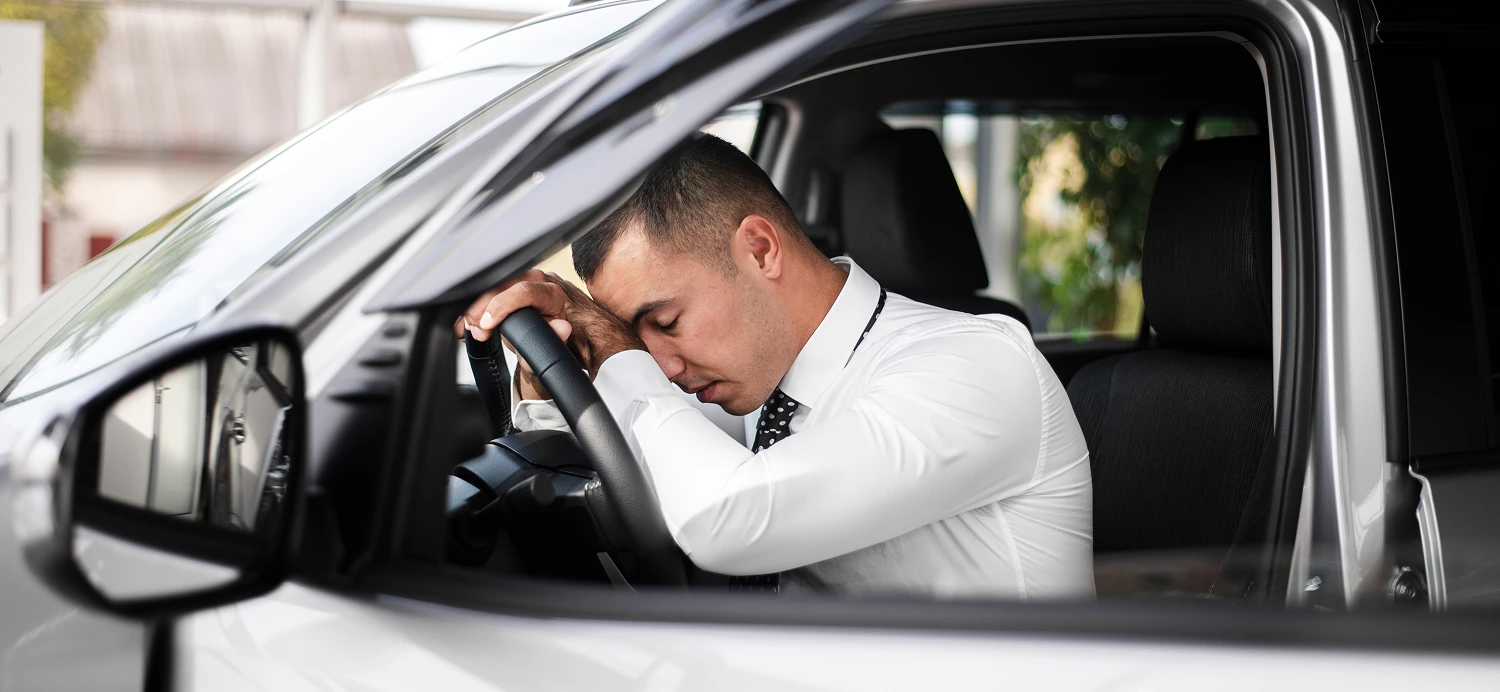
In general, this is the most frequently encountered situation. You are struck by another vehicle at an intersection. Someone rear-ends you on the highway. A motorist who is preoccupied with something other than driving goes through a red traffic signal. Passengers are not infrequently injured in such incidents. Any one of us could suffer an unexpected personal injury which renders us unable to work at all, at least for a little while. That workplace accident or illness can put you out of action right away.
1) Passenger-related injuries
While not all rideshare passengers are problematic, potential problems may occur. Drivers can experience physical and emotional harm as a result of violence from passengers. Incidents occur when drivers are physically injured while trying to remove or restrain unruly riders or when rideshare companies, security, or law enforcement have to intervene in disputes.
Vehicle or equipment issues caused this delay.
Serious injuries can result from defective brakes, a blowout, worn tires, or other vehicle maintenance problems. Vehicle maintenance is frequently the issue. In some cases, passengers have lodged complaints over unsafe vehicle conditions, the installation of substandard parts, or substandard maintenance.
2) Repetitive strain and long-hour injuries
Prolonged driving can worsen back, hip, knee and neck problems. Whilst often more complicated, permanent conditions are still genuine work injuries which can impact a worker’s capacity to work into the long term.
Why rideshare cases can feel more complicated than normal injury claims
The process of handling rideshare claims becomes complicated because they do not follow the straightforward path which people anticipate when their car gets involved in an accident.
A normal accident involves one driver who needs to work with their insurance company through a standard procedure. The number of insurance policies which apply to rideshare accidents depends on the driver’s current activities between waiting for passengers and transporting passengers.
The particular detail maintains its importance because it produces certain effects on:
- which insurance coverage applies,
- how much coverage is available,
- and which parties may be responsible.
The situation becomes more complex when safety incidents occur instead of car accidents because companies must follow their established policies and screening procedures and response protocols and risk notification protocols. The investigation reveals that certain incidents develop into patterns which differ from their initial appearance as isolated incidents.
The part nobody tells you: rideshare insurance is “status-based”
Confusion can arise in the processing of claims for ride sharing driver injuries because whether or not the rider has to pay for damages depends on whether the driver was logged in to the ride-sharing service at the time of the accident. Ride sharing firms along with their insurance providers typically divide coverage into stages, including;
- Switch off the device (you are not working)
- Ride-sharing app active, awaiting pickup.
- Accepted a ride and then drove to pick her up
In a vehicle with more than 7 passengers the driver and all passengers must use their seat belts.
Those stages can affect:
Does your personal car insurance cover you for trips that you undertake for Uber or Lyft or should you be on the rideshare insurance policy?
There are limits of $125 on cash withdrawals per day, and $2,000 per month.
and how quickly a claim moves.
It’s not always easy when you’re the injured person. Understanding the potential pitfalls in advance allows you to develop a stronger argument by avoiding common errors.
“I got hurt driving—so do I get workers’ comp?”
Taxi and ride sharing drivers are often treated as self employed, which means that they don’t receive workers’ compensation in the same way as employees.
You’re not alone in this situation, numerous people have been in the same position before and have managed to find a way out. Normally indicates that your assertion may be valid.
At the fault party’s insurance policy will be used if another person was responsible for the accident.
To achieve this the rephrased text should be:
of your own policy (depending on coverage),
Depending on your status as an Uber or Lyft driver, your vehicle may be insured by the rideshare company or you may need to obtain separate coverage.
Drivers in some states are entitled to further protection or state-run programmes in addition to the foregoing. In your area, a lawyer who specializes in ridesharing cases can explain what local laws are relevant and what compensation you can expect.
So who’s responsible when a rideshare driver gets hurt?
They depend on the facts, but the most common paths are:
1. If another driver caused the crash
If you feel you were a victim of the driver’s actions, you may have a claim. If the driver is either underinsured or not insured at all then it could be necessary to look at other insurance levels. This is where it counts to have a good appraisement of the car and the coverage that is in place.
2.If your passenger hurt you
Responsibility frequently lies directly with the passenger. In addition to failing to prevent harm, some lawsuits consider whether companies responded adequately to red flags, complaints, or patterns of risk.
3.If it’s a bigger safety failure
At this point, lawsuits may begin to look more like complex court proceedings. A recurring problem is alleged when numerous passengers report similar incidents involving a particular driver. It is then argued by the defence that this may not have been a one-off incident. The safety system failed to operate as intended and did not provide the protection the driver required.

When rideshare driver claims become “mass tort” style cases
Many automobile accident lawsuits will not escalate into mass torts. Each claim resulting from a crash is dealt with separately.
Mass tort cases become especially relevant when a large number of people have been harmed by the same defective product or exposure to the same hazardous condition.
Numerous similar incidents have occurred.
The claims centre on an ongoing history of product or safety concerns.
The evidence is essentially the same in each instance.
When many cases in a class action have the same fault or malfunction, lawyers will often use coordinated litigation to collect and present evidence in court more efficiently. While each of your cases remains unique, addressing the broader issues may be possible in a group action.
What to do right now if you’re a rideshare driver who got injured
The challenges people face when they are hurt are numerous. They have to address several issues, for instance, their bodily health, their financial state, their car, their family, their stress and the injury itself. Several measures can reduce the confusion brought on by a natural disaster without adding further turmoil.
- Obtain medical care and keep a detailed record of everything that occurs.
Even if you feel it’s only muscle soreness, visit your doctor for an examination. Worsening can occur if you do not properly treat back and neck injuries. Blows to the head can frequently go unnoticed. It is helpful to have accurate medical records for any insurance claim and for your health.
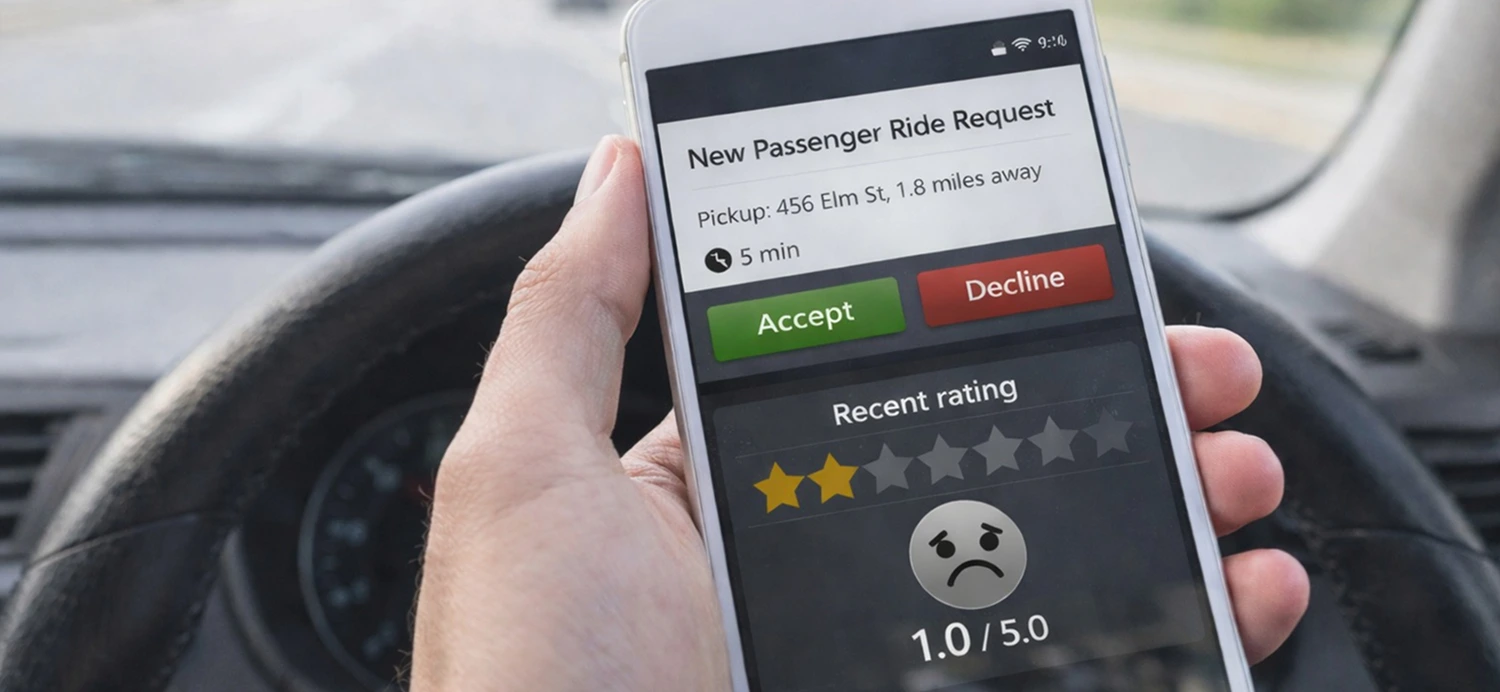
- Take a picture of your app’s status and details of your trip on your phone.
Evidence can be captured automatically in various scenarios; for example, if a user has location services enabled on their mobile phone, details of where they were at the time of an incident will be recorded by the phone.
Any text messages, emails, or other forms of mobile communication that you sent or received, may be relevant as evidence. Similarly any photos that you have taken with your phone could also be important. Save timestamps, trip screens, and communications.
It may be wise to lodge a complaint with the police if what has happened constitutes a crime.
In cases of a crash, a bystander’s first aid kit may be used. However, if a crime is in progress, do not take any risks. If you can, document injuries and preserve any evidence (photos, dashcam footage, messages, witness info).
- Don’t give recorded statements too early**
You may find your insurance claims adjuster to be considerate and helpful while simultaneously trying to limit the liability of the insurance company. It’s perfectly all right to stop and get guidance if necessary.
Keeping a log of missed work and the impact it has on your life helps you understand the pattern of your procrastination.
Below is a list of the challenges you are currently experiencing, the appointments you have scheduled and the limitations you are facing on a daily basis.
- Shifts you cannot work:
- Appointments you are attending:
- Daily limitations you are facing: If you approach your child in a honest and consistent manner you don’t have to make your conversations dramatic.
What compensation can cover for rideshare drivers
If you have a valid claim, compensation may include:
- medical treatment (now and future care),
- Income loss and diminished capacity to earn a living.
- Your vehicle was damaged.
- There is a great deal of pain and suffering.
In particular, support can be required in the aftermath of violent crime, or of sexual assault. Additionally, therapy or other forms of trauma-related treatment may be required.
Disability or impairment which lasts for a long time.
The aim isn’t financial gain. Many people who do this kind of work do not have adequate insurance to cover their medical bills. The point is to be protected against the financial devastation that can result from a workplace accident.
A final note—because drivers deserve to be spoken to like people
Rideshare drivers deal with a lot. It’s not hard to feel that you are easily replaceable when you are injured – you keep going but the team just carries on without you.
It is only human nature to want to know what your choices are before you make a decision. You desire to be aware of the alternatives available to you before making a choice, and this is only reasonable. You are not asking for special treatment by seeking this information; you simply want to be informed.