

Mass Tort Law: 4 Common Causes of Mass Tort Lawsuits
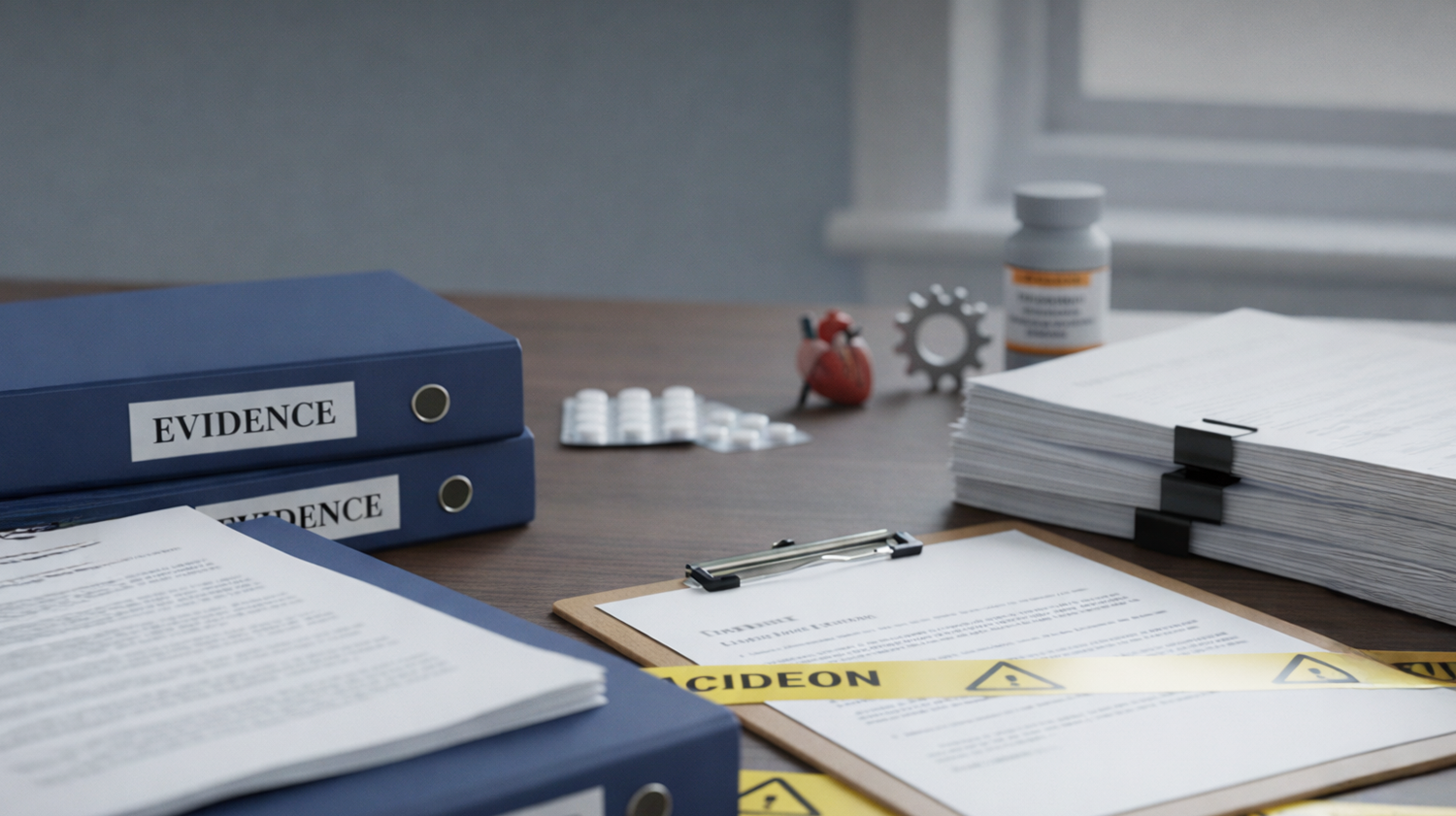
Mass tort lawsuits make headlines. We see news stories about thousands of people suing pharmaceutical companies, medical device manufacturers, or corporations over widespread harm. But what actu‐ ally triggers these massive legal actions? What kinds of wrongdoing lead to situations where hundreds or thousands of people end up with similar injuries?
Let’s look at the four most common causes of mass tort lawsuits and what makes each one unique.

1. Dangerous Pharmaceutical Drugs
If there’s one category that dominates mass tort litigation, it’s defective or dangerous drugs. And honestly? It makes sense when you think about how many people take prescription medications every single day.
Here’s how it typically happens: a pharmaceutical company develops a drug, runs clinical trials, gets FDA approval, and starts selling it to millions of people. Everything seems fine at first. Maybe the drug works well for what it’s supposed to do. But then patterns start emerging.
People taking the drug develop heart problems. Or liver damage. Or cancer. Or birth defects. Or any number of serious, sometimes fatal, side effects that weren’t adequately disclosed or tested for.
Sometimes the pharmaceutical company knew about these risks but downplayed them to protect profits. Other times, they didn’t conduct adequate testing before bringing the drug to market. Either way, people get hurt, and mass tort lawsuits follow.
Take a few real-world examples. Vioxx, a pain medication, was pulled from the market after being linked to heart attacks and strokes. Thousands of lawsuits followed. Risperdal, an antipsychotic medication, was found to cause serious hormonal problems in young boys. Another wave of litigation. Zantac, the popular heartburn medication, faced mass tort claims over concerns that it could break down into a cancer-causing substance.
The common thread? Companies put profit over safety, and consumers paid the price.
These cases often involve allegations of:
- Failure to adequately test drugs before release
- Hiding known side effects from regulators and consumers
- Downplaying risks in marketing materials
- Continuing to sell dangerous drugs even after problems emerge
- Failing to provide proper warnings to doctors and patients
The scary part is that by the time these problems come to light, the damage is already done. People trusted their doctors and the medications they were prescribed. They assumed the FDA approval meant the drugs were safe. And then they ended up with serious, sometimes irreversible health prob‐ lems.
2. Defective Medical Devices
Medical devices are supposed to improve our health or quality of life. Hip replacements help people walk without pain. Pacemakers regulate heartbeats. Hernia mesh repairs weak tissue. IVC filters prevent blood clots from reaching the lungs.
But what happens when these devices don’t work as intended? Or worse, what if they actively harm the people who rely on them?

Medical device mass torts have exploded over the past couple of decades. Unlike drugs, many medical devices don’t go through the same rigorous FDA approval process. Some get to market through a “fast-track” pathway that requires less testing. That’s great for getting innovative treatments to patients quickly, but it also means potentially dangerous devices can slip through with inadequate safety data.
Consider some prominent examples:
Hernia mesh – Multiple brands have faced thousands of lawsuits from patients experiencing chronic pain, infections, mesh migration, and organ perforation. The mesh that was supposed to fix their hernias became a source of ongoing suffering.
Hip replacements – Metal-on-metal hip implants, particularly certain DePuy and Stryker models, caused metallosis (metal poisoning) when the device components rubbed together and released toxic particles into patients’ bodies.
Transvaginal mesh – These devices, used to treat pelvic organ prolapse and stress urinary incontin‐ ence in women, have been linked to serious complications including organ perforation, chronic pain, infections, and erosion through tissue.
IVC filters – Designed to catch blood clots, some of these devices have broken apart inside patients’ bodies, with fragments traveling to the heart or lungs.
The pattern is depressingly familiar. Rush to market, inadequate testing, hidden complications, patients suffering, and eventually mass litigation.
What makes medical device cases particularly troubling is that many of these products are implanted in people’s bodies. Unlike a medication you can stop taking, a defective implant often requires additional surgery to remove—putting patients through more risk, more recovery time, and more expense.

3. Environmental Contamination and Toxic Exposure
Sometimes mass tort lawsuits arise not from a product someone chose to use, but from environmental exposure they couldn’t avoid.
These cases typically involve corporations polluting the environment in ways that harm communities. The contamination might be in the water supply, the air, the soil—anywhere people live, work, and go about their daily lives.
The timeline on these cases can be particularly cruel. Environmental contamination often happens over years or decades before anyone realizes there’s a problem. By then, entire communities have been exposed, and serious health issues have already developed.
Let’s look at some notorious examples:
Camp Lejeune water contamination – For decades, Marines and their families stationed at Camp Lejeune in North Carolina drank and bathed in water contaminated with toxic chemicals. The result? Elevated rates of cancer, birth defects, and other serious illnesses. It took years of advocacy before victims could pursue legal claims.
Dupont and PFAS (forever chemicals) – The company contaminated water supplies near its plants with PFAS chemicals used in Teflon production. These chemicals don’t break down in the environment or the human body, leading to long-term health consequences for exposed populations.
Flint water crisis – When the city switched its water source to save money, lead from aging pipes leached into the drinking water, exposing thousands of residents—particularly children—to dangerous levels of lead.
3M earplugs – While not traditional “environmental” exposure, this mass tort involved defective com‐ bat earplugs issued to military service members. Thousands of veterans suffered hearing loss or tinnitus because the earplugs didn’t provide adequate protection.
Roundup weedkiller – Lawsuits allege that glyphosate, the active ingredient in Roundup, causes non-Hodgkin’s lymphoma. Landscapers, farmers, and home users who were regularly exposed have filed thousands of claims.
What makes environmental and toxic exposure cases unique is that the harm often affects entire com‐ munities. It’s not just individual consumers choosing to use a product—it’s everyone who happens to live in an area, work in a facility, or serve in a particular unit.
These cases also tend to involve delayed diagnosis. Cancer and other diseases caused by toxic exposure can take years or decades to develop, making it harder to draw direct lines between the exposure and the illness.
4. Consumer Product Defects
One big group of mass tort cases targets common items folks handle every day – like toiletries, drugs, or household goods – that everyone takes for granted as safe and properly checked. If faith in those products cracks wide open, damage builds quickly across many lives, sometimes leading straight into courtrooms.
Over at HaveA Lawyer.com, they’ve grouped cases around products tied to major harm claims – things like addiction-linked injuries or serious health issues, including:

Lawsuits explore if game designs push players too far, looking at signs like missed jobs, school slips, money drains, and emotional strain tied to excessive play.
Laws tied to Roblox often center on safety issues – some claim the design poses risks, while others point to harmful habits forming, especially among young users.
Often at the heart of lawsuits, talcum powder issues revolve around claims of dirty products and hidden risks tied to illness warnings.
Some hair relaxer labels suggest lasting harm from years of use, pointing to serious health issues tied to pregnancy and birth. Warnings given before purchase? Not always clear enough, users say.
What typically triggers consumer-product mass torts?
Even now, nearly every instance ties back to standard fault concepts – simply linked to novel types of goods:
A faulty idea at birth makes the product dangerous, regardless of perfect execution during build.
A slip-up happens – during making something wrong goes into the supply. Contamination shows up, or steps missed, putting safety at risk for entire batches or lines.
Missing warnings make things worse – proper guidance could help people use the product without greater harm, yet signs are absent or hard to find.
Misleading ads or fake safety promises – when labels or ads make something seem safer or more suitable than it really is.
What these cases mostly deal with is the main issue at stake
What usually drives consumer-product mass torts comes down to one thing – how much warning was there. Could dangers have been seen ahead of time? How did businesses handle safety checks? Once issues arose, did they move fast or slow, hide facts, stay silent, still push merchandise? If signs point to a company ignoring clear danger, even if unaware, legal claims might grow fast.
You can share the following section if you’d like – I’ll match its style exactly, helping everything flow together like part of one smooth section.

The Common Thread
Looking across all four categories, what’s the common denominator in mass tort lawsuits?
It’s not just that people got hurt. Accidents happen, and not every injury leads to litigation. The key factor is widespread harm caused by a common source—typically due to negligence, inadequate testing, hidden dangers, or prioritizing profit over safety.
Mass tort lawsuits represent the legal system’s way of holding powerful entities accountable when their actions or products harm large numbers of people. They serve several purposes: – Compensating victims for their injuries and losses
- Deterring future corporate misconduct
- Forcing dangerous products off the market
- Bringing transparency to hidden dangers
- Funding additional research into the harms caused
These cases also raise important questions about corporate responsibility, regulatory oversight, and consumer protection. Should pharmaceutical companies be allowed to fast-track drugs with limited testing? How much safety testing should medical devices undergo before implantation in human bod‐ ies? What accountability should corporations face when they pollute communities? How do we ensure consumer products are safe before they reach millions of homes?
What This Means for You
If you’ve been harmed by a dangerous drug, defective medical device, toxic exposure, or consumer product, understanding these common causes of mass tort lawsuits helps you recognize that you’re likely not alone. If you experienced problems, others probably did too.
That’s important because in mass tort litigation, there’s strength in numbers. Individual plaintiffs join together (while maintaining their individual claims) to take on well-funded corporate defendants.
Shared resources, coordinated legal strategies, and collective evidence-gathering make these cases possible.
The first step is usually just realizing that what happened to you might be part of a larger pattern. From there, consulting with an attorney who handles mass tort cases can help you understand your options and whether joining existing litigation—or initiating new claims—makes sense for your situation.
Nobody expects to become part of a mass tort lawsuit. You trusted a medication, relied on a medical device, drank the water in your community, or used a consumer product assuming it was safe. When
that trust is violated and you’re harmed as a result, the law provides a path to accountability and com‐ pensation.
Understanding what typically causes mass tort lawsuits is the first step in recognizing when you might have a claim worth pursuing.
Get In Touch
Need help? Here, Have A Lawyer.
Connect with usNeed help? Here, Have A Lawyer.
You’ve Been Wronged. We’ll Help Make It Right.
Download your free how-to guide for Havealawyer.com