

How Personal Injury Lawsuits Work: A Complete Guide

Let’s say you slip and fall in a grocery store because someone didn’t put up a wet floor sign. Or you’re rear-ended at a red light by a distracted driver. Maybe a defective product injures you, or a doctor’s mistake makes your condition worse instead of better.
These situations all have something in common: someone else’s negligence or wrongdoing caused you harm. And when that happens, personal injury law gives you a path to seek compensation.
But how does it actually work? What’s the process like? What can you realistically expect? Let’s break it down without all the legal mumbo-jumbo.
What “Personal Injury” Actually Means
Personal injury law covers situations where you suffer emotional, psychological or physical injury because of another party’s actions (or inactions). The legal term is “tort law,” but let’s stick with “personal injury” because that’s what normal people call it.
The key concept here is negligence. To have a personal injury case, you generally need to show that: – The other party owed you a duty of care
– They breached that duty
– Their breach caused your injury
– You suffered actual damages as a result
That sounds complicated, but it’s usually pretty straightforward in practice. Drivers owe other drivers a duty to follow traffic laws and drive safely. Property owners owe visitors a duty to maintain reason‐ ably safe premises. Manufacturers owe consumers a duty to make products that won’t harm them when used properly.
When these duties get violated and someone gets hurt? That’s when personal injury claims happen.
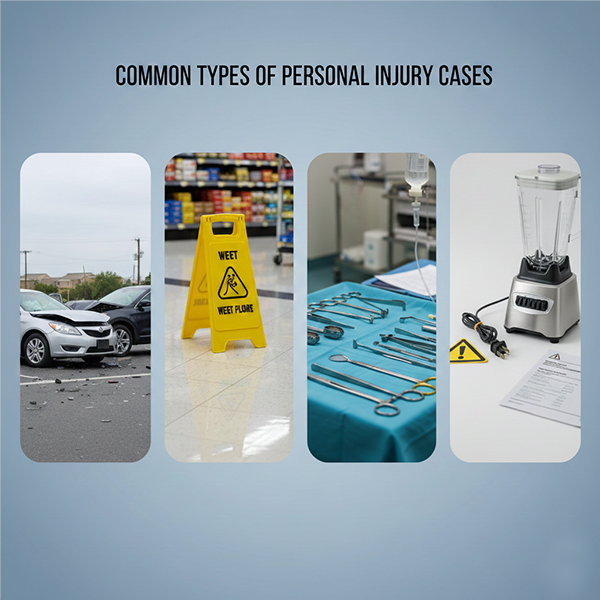
Common Types of Personal Injury Cases
Personal injury is a broad category. Let’s look at the most common types:
Car Accidents – Far and away the most frequent personal injury claims. Someone runs a red light, follows too closely, drives drunk, or texts behind the wheel, and boom—you’re injured and your car is totaled.
Slip and Fall – These “premises liability” cases happen when hazardous conditions on someone’s property cause you to fall and get hurt. Wet floors, broken stairs, icy sidewalks, poor lighting— anything that makes a property dangerous.
Medical Malpractice – When healthcare providers screw up and patients suffer as a result. Misdia‐ gnosis, surgical errors, medication mistakes, birth injuries—these cases are complex and require expert testimony.
Product Liability – Defective or dangerous products that injure consumers. This could be anything from a faulty appliance that causes a fire to a contaminated food product that makes you sick.
Dog Bites – In many states, dog owners are strictly liable if their dog bites someone. Even “he’s never done that before” doesn’t cut it as a defense.
Workplace Accidents – Though most workplace injuries are handled through workers’ compensation, some cases—especially those involving third parties—can become personal injury lawsuits.
Assault and Battery – Yes, even intentional acts fall under personal injury law. The criminal case and civil case are separate things.
Each type has its own nuances, but the basic legal process is similar across the board.
Step One: The Incident and Immediate Aftermath
Your personal injury case begins the moment you get hurt. What you do in those first hours and days matters more than you might think.
Get medical attention immediately. Don’t wait. Don’t “tough it out.” Don’t assume you’re fine. Injuries that seem minor can be serious, and insurance companies will absolutely use any delay in treatment against you later.

Document everything you can. Take photos of the scene, your injuries, the conditions that caused your accident. Get contact information from witnesses. If it’s a car accident, get the other driver’s insurance info and call the police.
Report the incident. If you were hurt on someone’s property, make sure there’s a formal incident report. In car accidents, get a police report. At work, file an accident report with your employer.
Keep records of everything. Medical bills, prescriptions, time off work, any expenses related to your injury—save it all. These documents become crucial evidence later.

Step Two: Contacting a Personal Injury Attorney
Here’s a question people always ask: do you really need a lawyer for a personal injury case?
For minor injuries with clear fault and cooperative insurance companies? Maybe not. If you scraped your knee, missed one day of work, and the other side’s offering a fair settlement to cover your small medical bill—sure, handle it yourself.
But for anything more serious? You want an attorney. Here’s why:
Insurance companies have teams of lawyers working to minimize what they pay out. You’re at a massive disadvantage without your own legal representation.
Personal injury attorneys know what your case is actually worth. You might think that $5,000 offer sounds good, but an experienced lawyer knows you should be getting $50,000.
The legal process is complicated. Statutes of limitations, filing requirements, discovery rules, negotiation tactics—this isn’t stuff you want to figure out on the fly while you’re still recovering from injuries.
Most personal injury lawyers work on contingency, which means they only get paid if you win. No up‐ front costs, no hourly fees. They take a percentage (typically 30-40%) of whatever you recover. That aligns their interests with yours—they want to maximize your compensation.
Step Three: Investigation and Case Building
Once you’ve hired an attorney, they get to work building your case. This involves:
Gathering evidence – Medical records, accident reports, photos, witness statements, expert opin‐ ions. Everything that proves what happened and how badly you were hurt.
Establishing liability – Proving that the other party was at fault. This might involve accident recon‐ struction, reviewing video footage, interviewing witnesses, or consulting experts.
Calculating damages – Figuring out how much your case is worth. This includes both economic dam‐ ages (medical bills, lost wages, property damage) and non-economic damages (pain and suffering, emotional distress, loss of enjoyment of life).
Dealing with insurance companies – Your attorney handles all communication with insurance ad‐ justers. This is actually a huge relief because those adjusters are trained to get you to say things that hurt your case.
Step Four: Demand and Negotiation
Once your attorney has built your case, they’ll typically send a demand letter to the other side. This document outlines:
- What happened
- Why the other party is liable
- The extent of your injuries and damages
- How much compensation you’re seeking

The demand letter starts the negotiation process. The other side will almost always respond with a counteroffer that’s lower than your demand. Then the back-and-forth begins.
Negotiation is actually where most personal injury cases resolve. Something like 95% of cases settle without ever going to trial. That might surprise you, but trials are expensive, time-consuming, and risky for both sides. Settlement offers certainty.
Your attorney will keep you informed throughout negotiations and advise you on whether offers are fair. But ultimately, you decide whether to accept a settlement or push forward to trial.

Step Five: Filing a Lawsuit (If Necessary)
If settlement negotiations stall or the other side is being unreasonable, your attorney might file a form‐ al lawsuit. This doesn’t mean you’re definitely going to trial—many cases still settle even after a lawsuit is filed. But it shows you’re serious and willing to take things all the way.
Once the lawsuit is filed, the case enters the “litigation” phase. This involves:
Pleadings – The formal exchange of legal documents outlining each side’s position.
Discovery – Both sides request and exchange evidence. This includes written questions (interrogator‐ ies), document requests, and depositions where witnesses testify under oath.
Motions – Either side can file motions asking the court to make certain rulings. A common one is a “motion for summary judgment” where the defendant asks the court to dismiss the case without trial.
Mediation – Many courts require mediation before trial. A neutral third party helps both sides try to reach a settlement.
This phase can take months or even years. It’s frustrating, but thorough preparation is essential for a strong case.
Step Six: Trial
If the case still doesn’t settle, you go to trial. Here’s the basic flow:
Jury selection – If it’s a jury trial, both sides help select jurors through a process called voir dire.
Opening statements – Each side previews their case for the jury.
Presentation of evidence – Your attorney presents evidence proving the defendant’s liability and your damages. This includes witness testimony, expert opinions, documents, photos, and more. The defense presents their case too, trying to minimize their liability or argue you’re partially at fault.

Cross-examination – Each side gets to question the other side’s witnesses.
Closing arguments – Both sides make final arguments summarizing the evidence and asking the jury to rule in their favor.
Jury deliberation – The jury discusses the case privately and reaches a verdict.
Verdict – The jury announces their decision. If they find for you, they’ll also determine how much compensation you receive.
Trials are stressful, but remember: your attorney has been preparing for this the whole time. They know what they’re doing.
Step Seven: Collecting Your Compensation
Whether you settle or win at trial, the final step is actually getting paid. If it’s a settlement, the defendant (or their insurance company) sends payment according to the settlement terms.
Your attorney takes their contingency fee percentage and deducts any case expenses (filing fees, expert witness fees, etc.). The rest goes to you.
If you won at trial, the defendant might appeal, which can delay payment. But eventually, they’ll have to pay what the court ordered.

How Long Does All This Take?
The frustrating answer: it varies. A straightforward case with clear liability and minor injuries might settle in a few months. A complex case with disputed fault and serious injuries could take years.
Factors that affect timeline:
- How long it takes you to reach maximum medical improvement
- Whether liability is clear or disputed
- How cooperative (or difficult) the other side is
- Court schedules and backlogs
- Whether the case settles or goes to trial.
Your attorney can give you a more specific timeline based on your particular case.
What Your Case Is Worth
Another “it depends” situation, but here’s what factors into your compensation:
- Medical expenses (past and future)
- Lost wages and earning capacity
- Property damage
- Pain and suffering
- Emotional distress
- Loss of enjoyment of life
- Permanent disability or disfigurement
The more severe and lasting your injuries, the higher the value. Cases involving permanent disability or significant scarring tend to result in larger awards.
Don’t Make These Mistakes
Finally, some common errors that can tank your personal injury case:
Waiting too long to see a doctor or hire an attorney. Both time-sensitive.
Posting on social media about your accident or injuries. Anything you post can be used against you. Accepting an early settlement offer without consulting a lawyer. It’s almost always too low. Exaggerating your injuries. Credibility is everything. Be honest.
Missing medical appointments or not following treatment plans. The defense will argue you’re not really that injured.

Your Path Forward
Personal injury lawsuits exist to make injured people whole again. You shouldn’t have to suffer financially because someone else was careless or reckless.
The process might seem intimidating, but thousands of people navigate it successfully every year. With the right attorney and realistic expectations, you can pursue the compensation you deserve.
If you’ve been injured due to someone else’s negligence, don’t wait. Consult with a personal injury attorney and learn about your options. Most initial consultations are free, and you’ve got nothing to lose by exploring your rights.
You’ve already dealt with the injury. Now let the legal system work the way it’s supposed to—by holding the responsible party accountable and providing you with fair compensation.

Get In Touch
Need help? Here, Have A Lawyer.
Connect with usNeed help? Here, Have A Lawyer.
You’ve Been Wronged. We’ll Help Make It Right.
Download your free how-to guide for Havealawyer.com