

- Hair Relaxer Lawsuits: When a Beauty Routine Turns Into a Health Question
- Why hair relaxer claims exist
- Where the litigation is happening
- What the court is doing next (and why “Science Day” matters)
- Who typically seeks a hair relaxer claim review?
- What to do if you’re considering a claim (without adding stress)
- A gentle next step
Hair Relaxer Lawsuits: When a Beauty Routine Turns Into a Health Question
When women hear the terms endometrial or uterine cancer, and then see the media highlighting links between hair chemical straightening or relaxing and various cancers, it can hit them like a blow: “Could these chemicals have led to my cancer”? The safety record of this type of aircraft has been known to be poor for some time. In addition to the crash near Pittsburgh, there have been two other fatal crashes of the aircraft in the United States.
In this difficult or disturbing time, the calm and gentle voice you’ll find here is that of a person who cares. It is crucial to provide a factual report about the claims and lawsuits that are in progress. The details should include what the allegations are, what the current state of the research indicates and does not indicate, and what the status of the litigation is.
Generally speaking, any kind of permanent physical disability is not a valid reason for divorce.
Why hair relaxer claims exist
The core issue in these lawsuits centres on a charge that many women have been harmed by a failure to properly inform them of the link between hair straightening treatments and cancer.
This research was referenced by numerous contributors to the discussion and was initiated by the US National Institutes of Health. The Sister Study which started in 2003 has found a higher incidence of endometrial cancer in women who used chemical hair straighteners. This information was presented in a paper at the San Antonio Breast Cancer Symposium in December 2009. Research by the National Cancer Institute, as cited by the American Cancer Society, found a link between pesticide exposure and the development of the disease. The American Cancer Society also summarised this research for the public, American Cancer Society.
The key thing here is to bear in mind that associations found in a study relating to a population are not equivalent to proving a cause in a particular individual. In mass tort litigation, analysis of this kind often brings the issues in the courts to a head, because it creates uncertainties which have to be resolved.

Where the litigation is happening
The hair relaxer lawsuit claims have been consolidated into a federal court multidistrict litigation, or MDL. This helps in reducing a large number of similar cases by concentrating the pretrial proceedings in one court.
This litigation was designated as MDL Docket No. 1332. The transferee judge was the late Judge George N. Paschall of the Middle District of Tennessee. In the matter of the Hair Relaxer Marketing, Sales Practices, and Products Liability Litigation (MDL 3060), the cases were transferred to the Northern District of Illinois.
The bankruptcy case is overseen by Chief United States Bankruptcy Judge Mary M. Rowland.
For those unfamiliar with court procedures, a multi-district litigation essentially means that multiple plaintiffs are in the same situation and do not have to go to court separately. In order to coordinate the shared issues, courts try to ensure that the process is both consistent and, in theory, more efficient.
What the court is doing next (and why “Science Day” matters)
Both parties agreed to a ‘Science Day’ to be held on the 8th of January, 2026, in order to present their scientific framework and evidence to the judge on that day. This is a special session in the court.
This marks an important juncture in such cases. Science Fair does not decide who wins or loses. It frequently influences the court’s attitude towards the defence’s argument that the police acted unlawfully.
- What expert testimony will be allowed,
- What evidence is considered reliable,
- And how the litigation will move into the next phases.

Litigation in the US courts is continuing with the judge issuing a series of orders. One order sets out how a selection of test cases is to be made. These are known as bellwethers. These help both parties in the dispute to assess the merits of the case and possible means of settlement.
These lawsuits, by those involved in the development of Vioxx, typically claim that the company Merck knew of the risk Vioxx posed to patients’ hearts but concealed this information and continued to market the drug anyway.
Each case is unique in its facts, and nobody can guarantee the results. A large number of hair relaxer lawsuits are filed with allegations that include:
The chemicals in these products may have a detrimental impact on human health by raising the risk of developing cancer.
Consumers were not informed sufficiently of the risks.
In order to encourage the customer in making repeat purchases a marketing technique may be used which downplays the product’s potential drawbacks.
A number of women found that the tablets they were given caused them to suffer from long-term health complications.
The cases, as described by the court, involve women suing over hair relaxer products that allegedly cause cancer and other injuries.
Who typically seeks a hair relaxer claim review?
Typically those who investigate such instances will be a combination of the following:
A diagnosis (the most frequent form of this is endometrial cancer which is commonly known as uterine cancer in many filings, though allegations can vary)
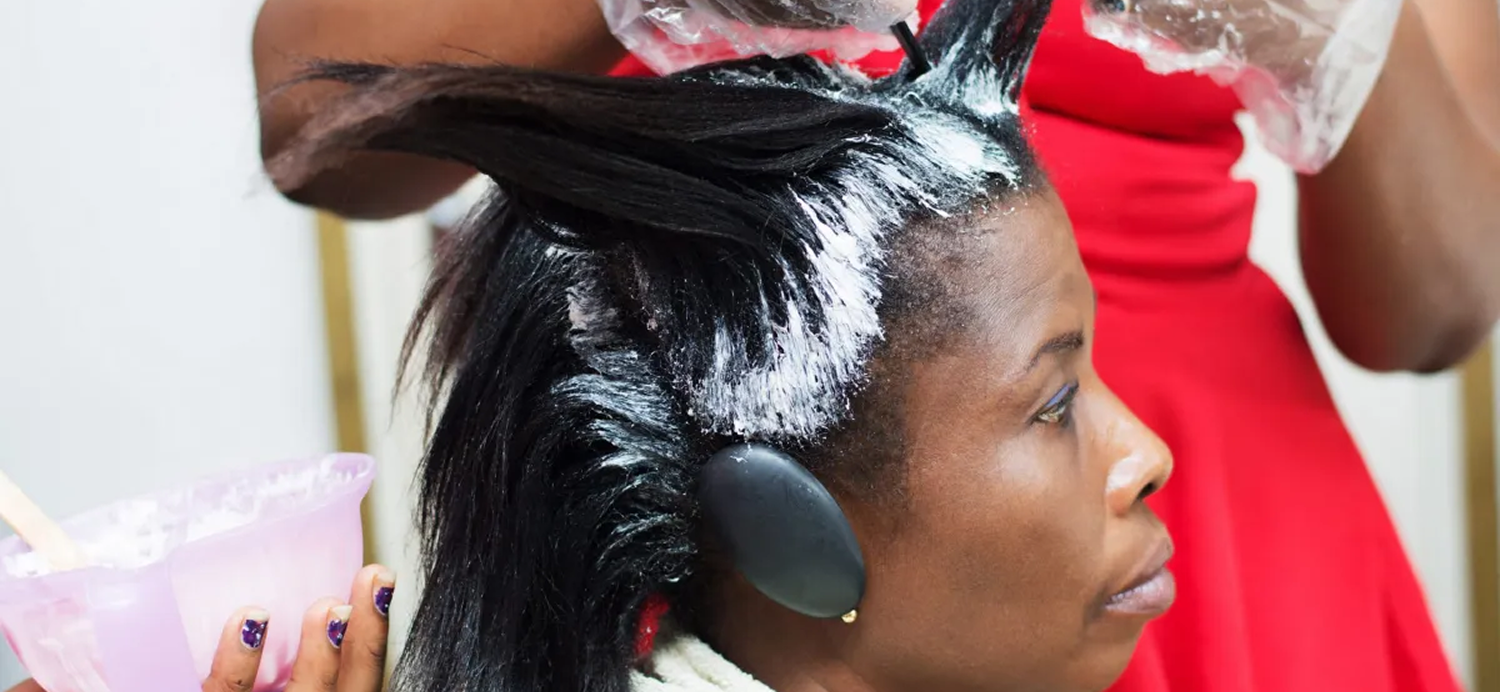
Over the course of time there is a history of using hair straightening products on African hair. These products are known as relaxers.
A timeline where usage clearly predates diagnosis
While crucially many women felt they had been caught off guard, a risk that had not been highlighted or for them to consider was this. You’re not being melodramatic if that’s your usual way of speaking. It seems like details were glossed over.
What to do if you’re considering a claim (without adding stress)
You don’t have to turn your life into some kind of investigation. A few simple steps can help:
Start with your medical records.
The clinical data that medical records contain includes test and examination results, for example radiology reports, pathology reports, diagnosis records, treatment summaries, etc.
Express your product use history in ordinary language.
When you started using relaxers, how often (roughly), for how many years. It is perfectly fine to make estimates rather than trying to recall every detail exactly.
Save what you can, but don’t spiral.
Any old photographs, notes from a hairdresser, a record of your purchases and conversations with family members who remember your daily routine should be gathered.
Talk to an attorney who actually handles mass tort intake.
Given the evolving nature of the science and the need for precise documentation, these are unique cases. It’s essential that the job interview is conducted in a calm and professional atmosphere rather than being intimidating.
A gentle next step
Those who have used permanent hair dye or chemical hair relaxers/straighteners over a period of time and who have been diagnosed with uterine or endometrial cancer have reason to seek clarity. This is especially so now that MDL 3060 is progressing through the science and expert phases. In order to see if past events tie in with the current case you are involved in, it is a good idea to have a confidential no cost case evaluation. This enables you to determine which documents are of the most importance and the relevant dates that apply. This is carried out without any form of judgment being made and what happens is done so in a way that is manageable for you.
A recent study published by the National Institute of Health found a possible link between the usage of hair straightening products and uterine cancer. Researchers studied 31,711 women and concluded that those who used hair straighteners were more likely to develop uterine cancer.