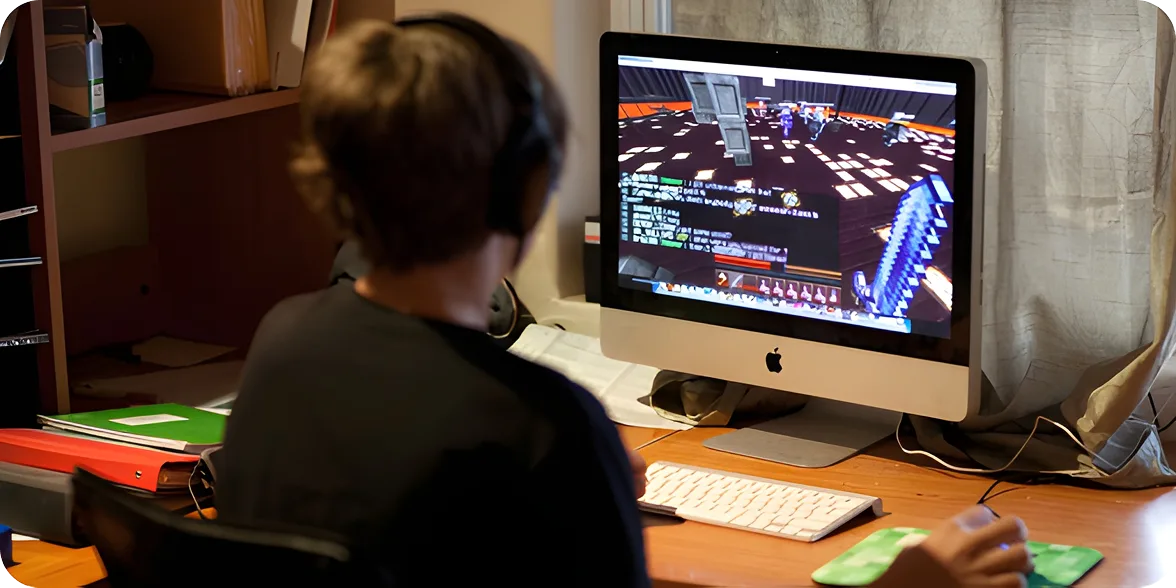

- Video Game Addiction Claims: When “It’s Just a Game” Stops Being True
- When gaming becomes a real disorder
- What families often notice first
- Why some games hit harder than others
- What video game addiction lawsuits generally claim
- Who might consider a claim review
- What to do right now if gaming is taking over your home
Video Game Addiction Claims: When “It’s Just a Game” Stops Being True
A fight to get your child to sleep. They have to be coaxed to eat. A struggle to prevent the computer from screaming when it is turned off. A long and difficult journey back to the classroom, to friends, to a sense of their own identity.
It’s not uncommon to find gaming overwhelming your living space, and it’s a problem you’re by no means exaggerating. Undoubtedly, no one is arguing about the fact that playing video games is great fun. The effects of these collisions on a developing brain can be severe and long lasting and involve addiction, depression, anxiety, personality disorders and eating disorders.
A developing brain is overwhelmed when society puts pressure on adolescents to be successful. This pressure is further increased by the fact that most high schools now have rigid curriculum tracks which push students into either college or vocational school.
Further the financial aid system in the US pushes students into high academic achievement in order to get money for college.
The tone of this website should be calm, and free of alarm and moralising. Understanding the concept of ‘video game addiction’ is discussed in this section, to clarify the clinical meaning of the term, what the allegations in these cases typically are and some steps that might be taken.
The content related to online grooming should be on a separate page dealing specifically with this topic. This could cover popular gaming platforms including Roblox or other relevant topics.
When gaming becomes a real disorder
The distinction between a parenting preference and a psychological advantage, however, seems less clear cut. People who suffer from gaming disorder continue to engage in the activity even when it starts to cause problems in their life. The disorder is a pattern of behaviour where the gamer loses control and starts to give up other hobbies and activities in order to play the game. Gaming becomes more important than other activities. World Health Organisation
The American Psychiatric Association added internet gaming disorder to section three of its DSM-5 manual as a disorder requiring more research. This was done in order to facilitate more study and greater comprehension of the disorder.
The main issue is the child plays games excessively. When gaming interferes with daily life functions such as work, school, sleep, eating and hygiene, or interferes with relationships, this could be a problem.

What families often notice first
It’s true that gaming addiction, or internet gaming disorder as it has been termed by some, has a wide variety of manifestations. That being said, the commonalities among the problems that families encounter are quite striking; many describe their child’s internet gaming use as progressing through several stages.
Gaming habits cause mood swings if not indulged such as irritability, anger, anxiety or an actual collapse.
Disruptions to sleep patterns, most notably after periods of late night computer gaming where users get caught up in a cycle of playing just one more round.
Falling Behind at School: Missed Homework, Avoidance, Absenteeism
Social withdrawal from such activities include friends, family, sports, and hobbies.
- Lying or hiding: sneaking devices, secret accounts, spending money quietly
- Loss of interest in anything that isn’t the game
- Spending spirals: repeated in-game purchases, pressure to keep up, shame after spending
While many parents don’t express the sentiment out loud, they often feel they are competing with video games, which provide a non-stop and patient experience for kids and always know what button to press next to re-engage their child.
Why some games hit harder than others
Games vary in their addictive qualities. One of the techniques which surfaces in these cases is ‘persuasive technology’ or ‘nudging’, features which trick or keep players playing and spending money. Families often describe patterns like:
- “limited time” rewards that punish stepping away
- constant updates and events that trigger fear of missing out
- social pressure (teams, clans, streaks, daily quests)
Transactions that may appear small on their own but add up in a short time are microtransactions.
The programme includes instant rewards that trigger a ‘rush’ and frequent, smaller rewards that trigger a ‘crack like’ addiction.
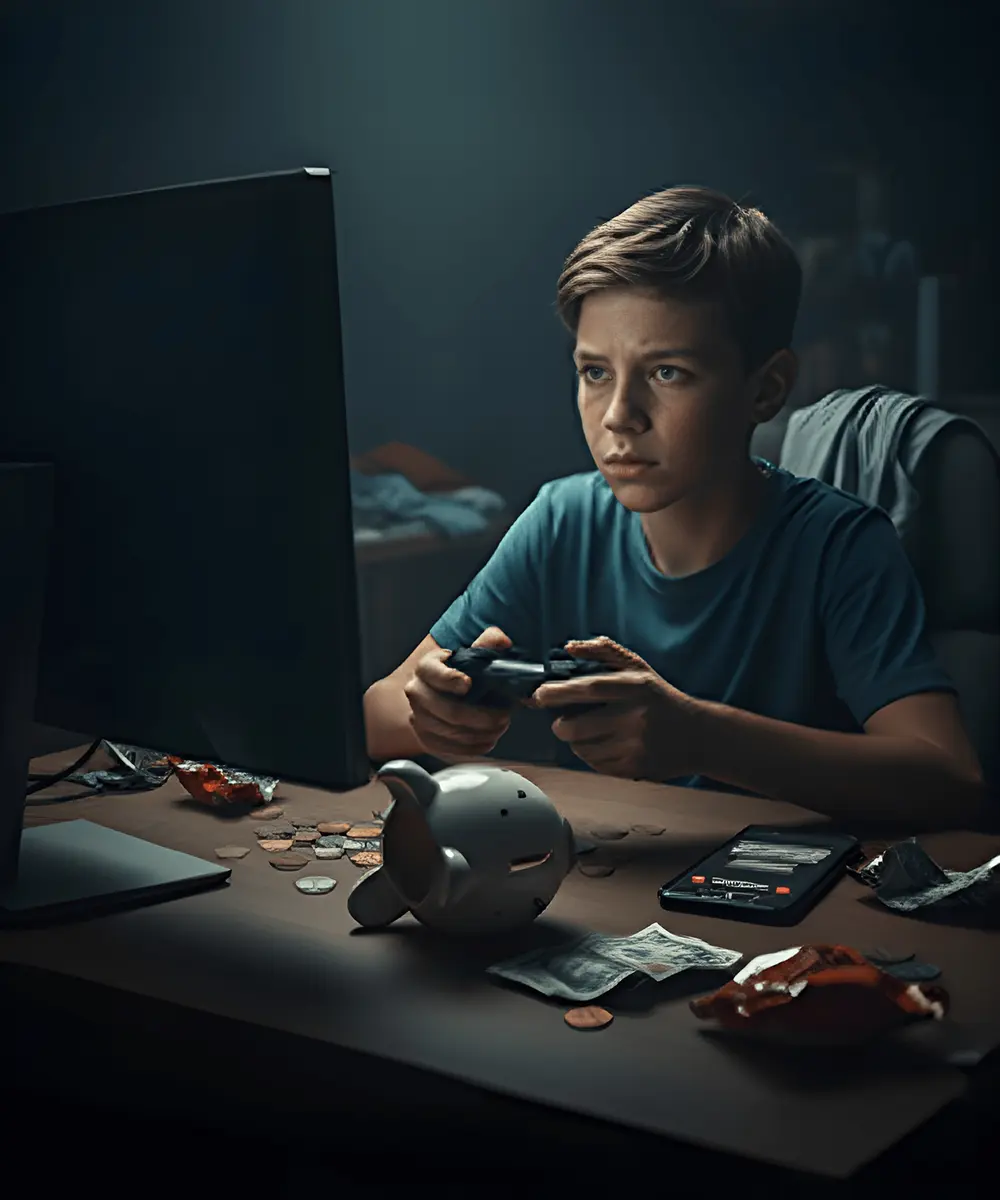
There have been checks made into some digital design techniques by regulatory bodies. This followed a complaint by the FTC that Epic Games employed “dark patterns” which were responsible for users making unexpected purchases of Fortnite items, resulting in a substantial refund program for consumers and a settlement with the FTC.
Research findings do not confirm that children’s addiction to a game is due to its design; nonetheless, it demonstrates a genuine concern: the effects of game design on children’s behaviour.
What video game addiction lawsuits generally claim
It is usually the parents or guardians of kids (occasionally the adults themselves) who claim that the operators of video games are liable for their child’s video game addiction. These people claim that the firms who produce the games are liable for their children’s problem because they failed to take precautions to prevent it.
Developers deliberately inserted aspects into their games that trigger psychological responses in players and keep them engaged, encouraging them to spend more time and money on these in-game purchases.
This was achieved through product and packaging design that appealed to children, often accompanied by advertising that was targeted at them.
The website failed to include necessary safety measures such as age restrictions and parental controls.
Their advertisements failed to convey the potential health hazards associated with long-term use of their product.
In a December order of 2025, the US Judicial Panel on Multidistrict Litigation has said the following – games with addictive features were developed and sold by defendants. These features were said to have caused minors to become addicted; games such as Fortnite, Roblox and Minecraft were mentioned. Additionally there are allegations concerning the warning provided to parents and the controls they have.
At that time the JPML also denied the motion to centralize these federal cases into one multidistrict litigation.
The way the case is structured has an impact on the pre-trial process, with the cases potentially being heard in different courts, rather than being in a federal pre-trial programme.
Who might consider a claim review
It is crucial to understand that every situation is unique and may not warrant a court case. Individual elements can have an effect but it’s when there is a combination of different things that often people want to look at and explore a claim.
The documented impacts include aggression towards others, emotional and behavioural problems, suicidal thoughts, school problems, mental health crises and treatment needs.
Key negative impacts include significant financial harms, particularly where there were repeated or non-consensual purchases.
There is a pattern of lengthy use of highly interactive games. Such games often incorporate a monetisation mechanism. This can be in the form of in-game advertisements, purchases of virtual items or a subscription charge. These features encourage users to continue playing the games.
The law cannot reverse the passage of time. This can sometimes prompt people to hold the government accountable and to seek funding for the care the family needs because the child’s life was affected.

What to do right now if gaming is taking over your home
It’s perfectly alright to adjust your plan as you go along; the most important thing is to have one in the first place. You need a few stabilizing measures in place.
It is advisable to put safety and mental health first.
In circumstances where there are threats of either self-harm or violence, or if there is a mental health emergency at hand, please contact the emergency services in your region or the National Suicide Prevention Lifeline at 1-800-273-TALK (8255) or the Crisis Text Line by texting HOME to 741741. In moments like these, don’t second guess yourself – bring in the help you need. You are acting with the concern of a parent in a difficult situation.
Start a simple written timeline
When did the gaming escalate? Everyone here reported changes in one or more of the following areas: sleep, school, relationships with friends, feelings of well-being, mood, and spending habits. It is useful for clinicians and in case of a dispute, lawyers.
Documentation of the information without acting as a detective is essential to keep records.
Store details of your purchases, records of your accounts, images of screens displaying payment prompts, device logs of how you spend your time, messages from school, recommendations from therapists, and any hospital or treatment records you have.
Get support that doesn’t shame you
A psychologist or a family therapist who has experience with the addictive processes, or a paediatrician, may be in a position to help. This is not about “bad parenting.” The complexity of the subject matter has clearly outstripped your present resources;
If your child’s gaming has become an obsession and your family is suffering, then it is okay to seek advice. This could be in the form of guidance from experts or an opinion from someone who is knowledgeable in this area. A confidential review of your case is offered at no charge. This can determine if your particular situation has a connection to current lawsuits over video game addiction, what records are important, and what options are available. The purpose of this exercise is not to judge you on your abilities, but to understand where you are at and what you could do next in order to improve..