

What Is a Motor Vehicle Accident Lawsuit? A Step-by-Step Guide

That’s where motor vehicle accident lawsuits come in. They’re basically how you force the person who caused the crash (or really, their insurance company) to cover what they broke.
Whether it’s a rear-ender that threw your back out or a serious T-bone that landed you in the hospital, the process is similar. Someone else caused it, they need to pay for it.
Let me walk you through how this actually works, step by step. It’s less scary when you know what’s coming.
Whether it’s a rear-ender that threw your back out or a serious T-bone that landed you in the hospital, the process is similar. Someone else caused it, they need to pay for it.
Let me walk you through how this actually works, step by step. It’s less scary when you know what’s coming.
Understanding Motor Vehicle Accident Lawsuits
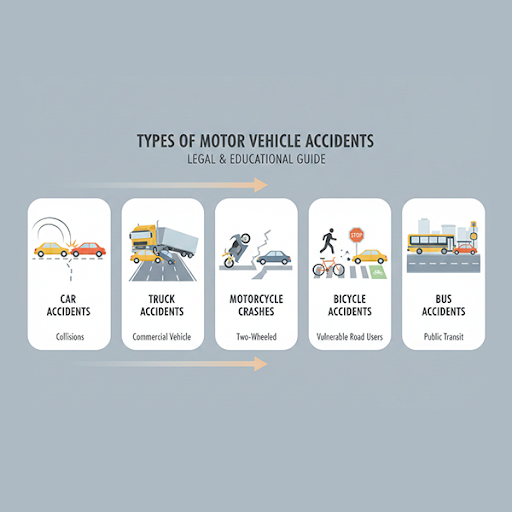
Motor vehicle accidents aren’t just about cars hitting each other. Could be:
- Regular car crashes (yeah, the most common type)
- Truck accidents with those massive commercial vehicles
- Motorcycle crashes
- Someone getting hit while crossing the street
- Bicycle accidents
- Sometimes bus accidents
Any situation where a vehicle hurts someone, basically. The legal stuff is pretty similar across all these, though trucks sometimes have extra regulations and motorcycle accidents tend to involve worse injuries.
Most people think “lawsuit” means courtroom and judge and jury. Actually? Most settle before you ever see a courtroom. You file the lawsuit to put pressure on the insurance company and get some deadlines going, but negotiations keep happening the whole time.
Step-by-Step: How a Motor Vehicle Accident Lawsuit Works
Step 1: Get Medical Treatment Immediately
After any accident, go see a doctor. Even if you feel okay right now. Adrenaline’s wild—it’ll mask all sorts of pain and injury. That concussion or internal bleeding? Might not feel it for hours, maybe days.
Plus insurance companies love using delays against you. “Oh, he waited four days to see a doctor? Couldn’t have been that hurt then.” Don’t give them that ammunition.
Take photos of your injuries as they show up. Keep every single medical bill, every prescription receipt, every piece of paperwork. You’ll need it all.
Step 2: Document the Accident Scene
If you can physically do it at the scene:
- Photograph the vehicles from every angle you can manage
- Get pictures of the scene—skid marks, traffic lights, road conditions, everything
- Swap information with the other driver
- Grab contact info from anyone who saw it happen
- Get a copy of the police report
This stuff becomes the foundation of your case. More evidence you have, better off you are.
Step 3: Contact Accident Injury Attorneys
This is where most people freeze up. You’re thinking you should call a lawyer, but lawyers are expensive, right? And maybe your case isn’t a big enough deal?
Here’s what people don’t realize—that first conversation? Free. You call, explain what happened, they ask some questions, tell you if you’ve got a case and what it might be worth. Doesn’t cost you anything, no strings attached.
They take your case? Almost always on contingency. They get paid when you get paid. Usually about 33%, sometimes more if it goes to trial. But nothing out of your pocket upfront.
So really, there’s no reason not to at least talk to one and see what they say.
Step 4: Investigation and Case Building
Once you hire someone, they start digging:
- Getting police reports and photos from the scene
- Collecting all your medical records
- Talking to witnesses
- Maybe bringing in experts to reconstruct how the accident happened
- Adding up all your damages—current bills and future costs
This takes a while. Your lawyer can’t put a number on your case until they know the full extent of what happened to you. Rush into a settlement and you might find out later you needed way more money than you got.
They’re also figuring out who was really at fault and how much. Sometimes it’s clear cut. Other times everybody’s pointing fingers at each other, which changes how the whole thing plays out.

Yeah, it’s less than the total number sounds like at first. That’s just how these work.
Step 5: Filing an Insurance Claim
Before actually suing anyone, your lawyer usually files a claim with the other driver’s insurance company. Gets the ball rolling on negotiations.
Their insurance adjuster looks everything over, does their own investigation, makes you an offer. That first offer? Always low. Sometimes insulting. That’s just how they operate.
Your attorney comes back with a number that actually makes sense based on what you lost. Then it’s back and forth. Sometimes you work it out here. A lot of times you don’t, because the insurance company’s betting you’ll get tired and take whatever they’re offering.
Step 6: Filing the Actual Lawsuit
When insurance stops being cooperative or straight-up denies your claim, your attorney files the lawsuit. That’s when it gets officially legal.
The other driver and their insurance get served with your complaint. They’ve got about 30 days to respond, admit or deny what you’re claiming.
Filing doesn’t mean negotiating’s over though. Most cases still settle after filing. But now there’s court dates and deadlines hanging over everything, which tends to make both sides take things more seriously.

Step 7: Discovery Phase
This part drags. Both sides exchange information through what they call discovery:
Interrogatories – Basically written questions you answer under oath
Document requests – Both sides asking for relevant paperwork
Depositions – Getting questioned in person under oath. You’ll probably get deposed, the other driver will, maybe witnesses and experts too
Expert witnesses – Doctors review your medical stuff, accident experts figure out exactly how the crash happened
Can take months. Sometimes more than a year. It’s tedious but necessary—both sides building their arguments while trying to poke holes in what the other side’s saying.
Step 8: Mediation and Settlement Negotiations
While discovery’s happening and after, people are still trying to settle. Lot of courts make you try mediation before trial—that’s where some neutral person tries getting both sides to agree.
Mediation’s not binding unless everybody agrees to settle. Works pretty often though, because it forces everyone into a room to negotiate for real. The mediator can also call out when somebody’s being unrealistic.
If you’ve got solid evidence and serious injuries, insurance companies usually start being more reasonable around this point. Trials cost them money and juries are unpredictable.
Step 9: Trial (If Settlement Fails)
Can’t agree on a settlement? Goes to trial. Jury (or sometimes just a judge) hears both sides lay out their evidence.
Your lawyer presents:
- Proof the other driver screwed up
- All your medical records and bills
- You testifying, witnesses testifying
- Experts giving their professional opinions
Defense does their thing, trying to make it seem like it wasn’t their fault or your injuries aren’t that bad.
Jury goes off, talks it over, comes back with a verdict. If they side with you, they decide how much you get.
Trials are stressful. Take forever. Juries can surprise you in good ways or bad. But sometimes it’s the only way to actually get what you deserve.
Step 10: Receiving Your Settlement or Verdict
You finally settle or win at trial. Now you get paid, right?
Sort of. Here’s how the money actually moves:
- Check goes to your lawyer first
- They take out their cut (that 33% or whatever you agreed on)
- Any medical liens get paid (doctors who treated you waiting for their money, your health insurance if they paid stuff)
- Court costs and expert fees come out
- You get what’s left

Yeah, it’s less than the total number sounds like at first. That’s just how these work.
What Can You Actually Recover?
Motor vehicle accident lawsuits can get you money for:
Medical Expenses – Hospital bills, surgeries, physical therapy, prescriptions, medical equipment. Both what you’ve already spent and what you’ll need going forward.
Lost Wages – Money you didn’t make because you couldn’t work while recovering. Pretty straightforward if you’ve got pay stubs.
Lost Earning Capacity – If your injuries mean you can’t go back to your old job or can’t earn as much anymore, that counts. Usually need an expert to testify about this.
Property Damage – What it costs to fix or replace your car and anything else that got damaged.
Pain and Suffering – The actual pain, emotional trauma, how your life got worse. This one’s subjective and varies a lot case to case.
Punitive Damages – In really bad cases (like drunk driving), courts might throw in extra money to punish the person who hurt you. Doesn’t happen often.
Common Defenses Insurance Companies Use
Insurance companies aren’t just going to write you a check. They’ll argue:
Comparative negligence – Saying you were partly at fault too, which cuts down what you get. Some states won’t let you recover anything if you’re more than 50% responsible.
Pre-existing injuries – Claiming you were already hurt before the accident or you’re exaggerating how bad it is. They dig through your medical history looking for anything they can use.
Lack of causation – Saying the accident didn’t actually cause your injuries, or you got hurt some other way.
Failure to mitigate – Claiming you made things worse by not following your doctor’s orders or refusing treatment they recommended.
Good accident injury attorneys know all these tricks and how to fight back. That’s a big part of why you need one.

How Long Does This Take?
Wish I could give you a straight answer here. Simple cases might wrap up in 3-6 months. Complicated ones with serious injuries and arguments about who’s at fault? Could drag on 2-3 years, maybe longer.
What affects timing:
- How long you’re in treatment for your injuries
- Whether people are arguing about fault
- How difficult the insurance company wants to be
- Court schedules (courts are backed up everywhere)
- How complicated your damages are to calculate
You really can’t settle until you’ve hit maximum medical improvement—that’s when you’ve healed as much as you’re going to heal. Settle too early, and you might find out later you need more treatment you can’t afford.
Do You Really Need an Attorney?
Could you file a lawsuit yourself? Yeah, technically. Should you? Probably not.
Insurance companies have whole departments full of lawyers and adjusters whose entire job is paying out as little as possible. They’re counting on you not knowing the law. They’ll use that.
Accident injury attorneys even things out:
- They know what cases are worth
- They’ve seen all the insurance company tricks
- They handle the legal maze while you heal
- Contingency fee means no upfront cost
- Data shows people with lawyers get more money even after the fee comes out
Trying to save that contingency fee usually backfires. You end up settling for less than a lawyer would’ve gotten you, even after taking out their percentage.
What If the Statute of Limitations Is Running Out?
Every state puts a time limit on filing motor vehicle accident lawsuits. Miss that deadline and your case is done—doesn’t matter how strong it was.
Time limits vary. Could be one year, could be six. Most states land somewhere between two and four years. Some have shorter deadlines if you’re suing a government entity.
Don’t wait around. Evidence vanishes. Witnesses forget what they saw. Insurance companies stop caring about negotiating.
Think you might have a case? Talk to a lawyer sooner rather than later.

Conclusion
Getting hurt in a crash that wasn’t your fault is bad enough. Then you’ve got to fight for money while you’re trying to heal? That part’s worse. But insurance companies care more about their bottom line than your medical bills, so here we are.
Motor vehicle accident lawsuits are how you hold negligent drivers accountable and actually get compensated for what you lost. Takes time, involves a bunch of legal complexity, but it’s often the only way to get what you actually need instead of what insurance wants to pay.
Been injured in a crash? Talk to accident injury attorneys who do this regularly. Figure out what your case is worth. Learn your options. Most will talk to you for free, so you’re not risking anything by asking.
Don’t let insurance companies push you into accepting less than you need. Don’t let deadlines slip by. Take control and fight for what’s fair.
Need Help? Here, Have A Lawyer.
You’ve Been Wronged. We’ll Make It Right.
[Schedule your free case evaluation]
Call us for a free consultation. We’ll go over what happened, explain what you can do, help you figure out what your case might actually be worth. No obligation, no pressure—just straight talk about your situation.
Disclaimer: This article provides general information only and does not constitute legal advice. Motor vehicle accident cases vary significantly based on specific facts and circumstances. Consult with a qualified attorney about your individual situation. Statutes of limitations vary by state and case type—don’t delay protecting your rights.
Get In Touch
Need help? Here, Have A Lawyer.
Connect with usNeed help? Here, Have A Lawyer.
You’ve Been Wronged. We’ll Help Make It Right.
Download your free how-to guide for Havealawyer.com