

The Promise of Hernia Mesh
Hernias are incredibly common. They happen when an organ or tissue pushes through a weak spot in the surrounding muscle or connective tissue. Most often, we’re talking about abdominal hernias—the kind that show up after heavy lifting, surgery, or just because your body decided that’s what it wanted to do today.
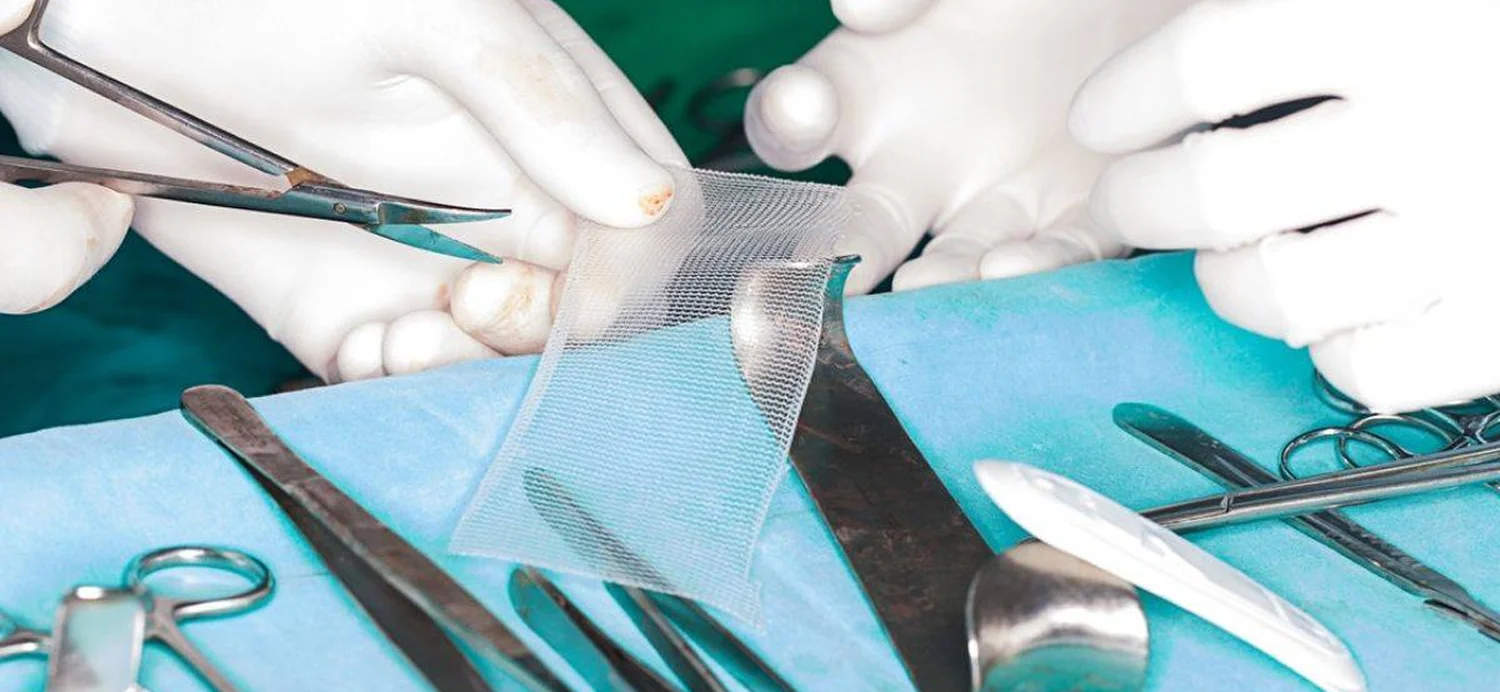
For decades, surgeons have used mesh implants to repair these hernias. The idea makes sense on paper: place a synthetic mesh over the weak area to provide extra support and reduce the chance of recurrence. It’s supposed to be a permanent fix, a one-and-done solution. And for many people, it works fine. They heal up, go back to their lives, and never think about that mesh again. But for others? It’s the beginning of a nightmare they never saw coming.
When Things Go Horribly Wrong
Here’s what they don’t always tell you before surgery: hernia mesh can fail. And when it does, the complications range from annoying to downright dangerous.
Chronic pain is probably the most common complaint. We’re not talking about normal post-surgery discomfort that fades over time. This is persistent, sometimes debilitating pain that interferes with daily life. Some people can’t exercise, can’t lift their kids, can’t even sit comfortably. The mesh that was supposed to help has become a constant source of suffering.
Then there’s mesh migration. Sounds almost sci-fi, doesn’t it? But it happens. The mesh moves from where it was originally placed, sometimes traveling to other parts of the body. When that happens, it can damage organs, cause internal injuries, and create a whole new set of problems.
Infections are another big issue. Any time you put a foreign object in the body, there’s a risk of infection. But with hernia mesh, infections can be particularly stubborn. Sometimes the only solution is to remove the mesh entirely—which means another surgery, more recovery time, and no guarantee that the hernia won’t come back.
Adhesions and bowel obstructions happen too. The mesh can stick to surrounding tissues or organs, causing adhesions that lead to serious complications. In the worst cases, it can obstruct the bowel, which is a medical emergency.
And then there’s mesh erosion or perforation. The edges of the mesh can wear through tissue and actually penetrate organs like the intestine or bladder. Yeah. It’s as bad as it sounds.

Not All Mesh Products Are Created Equal
Here’s something important to understand: some hernia mesh products have proven to be more problematic than others. Over the years, certain manufacturers have faced thousands of lawsuits because
their products consistently failed or caused serious complications.
Brands like Physiomesh (made by Ethicon), Atrium C-QUR mesh, and several polypropylene mesh products have been linked to high failure rates. Some have even been pulled from the market—but not before being implanted in thousands of patients.
The thing is, these companies knew. Or they should have known. Many of these mesh products weren’t adequately tested before hitting the market. Safety studies were insufficient, long-term effects weren’t properly evaluated, and when problems started emerging, some manufacturers downplayed the risks rather than warning patients and doctors.
That’s where the legal issues come in.
Recognizing the Warning Signs
If you’ve had hernia surgery with mesh, how do you know if something’s wrong? Your body will usually tell you, though the signals aren’t always obvious at first.
Persistent pain at the surgical site—especially pain that doesn’t improve or gets worse over time—is a major red flag. Same goes for pain during physical activity, including things as basic as walking or bending over.
Swelling, redness, or warmth around the surgical area could indicate infection. So could fever or drainage from the incision site, even months after surgery.

If you notice a bulge or protrusion near where you had surgery, that could mean the mesh has failed and the hernia has recurred. Or the mesh might be migrating. Digestive issues like nausea, vomiting, severe constipation, or inability to pass gas can signal a bowel obstruction—get to a doctor immediately if you experience these symptoms.
Your Legal Options
If you’re suffering from hernia mesh complications, you might have grounds for a lawsuit. But legal action isn’t just about getting compensation (though that’s certainly part of it). It’s about holding
manufacturers accountable for putting a defective medical device into people’s bodies.
These cases typically fall under product liability law. There are a few different angles: Design defects—the mesh was inherently dangerous from the start, and a safer alternative design existed.
Manufacturing defects—something went wrong in the production process, making the specific mesh implanted in you defective.
Failure to warn—the manufacturer knew or should have known about the risks but didn’t adequately warn doctors and patients.
Most hernia mesh lawsuits are handled as mass torts, where many plaintiffs with similar injuries sue the same defendant. This approach makes sense because we’re often talking about the same defective product causing harm to thousands of people.
What Compensation Might Look Like
If you file a hernia mesh lawsuit and win (or settle, which is more common), what can you actually recover?
Medical expenses are the obvious starting point. This includes the original surgery, all the treatment you’ve needed for complications, revision surgeries to remove or replace the mesh, medications, physical therapy—all of it. Future medical costs count too if you’ll need ongoing treatment.
Lost wages matter. If mesh complications kept you out of work, that’s money you should have earned. And if your injuries are permanent and you can’t return to your previous job or work at all, you can seek compensation for lost earning capacity.
Pain and suffering is harder to quantify but no less real. Chronic pain, mental anguish, depression, anxiety, loss of enjoyment of life—these all factor into your damages.
In some cases, punitive damages might apply. These are designed to punish particularly egregious conduct by the manufacturer. If a company knew its mesh was dangerous and sold it anyway, you better believe punitive damages are on the table.
The Litigation Process
I won’t sugarcoat it—these cases take time. We’re talking months or even years in some instances. But that doesn’t mean you should wait to take action.
Every state has a statute of limitations that sets a deadline for filing lawsuits. These deadlines vary, but they’re strict. Miss the window, and you lose your right to sue, period. So even though the process is long, you need to start sooner rather than later.
First, you’ll consult with an attorney who handles hernia mesh cases. They’ll review your medical records, assess the strength of your claim, and explain your options. If you decide to proceed, they’ll file a lawsuit on your behalf.
Discovery comes next. Both sides gather evidence, exchange documents, and depose witnesses. This is where your medical history becomes crucial—every doctor’s visit, every symptom, every treatment gets documented and analyzed.
Many of these cases settle before trial. Manufacturers often prefer to settle rather than risk a jury ver‐ dict. If a fair settlement offer comes in, you and your attorney will discuss whether to accept it or push forward to trial.
You’re Not Alone in This
Thousands of people are dealing with hernia mesh complications. There are active lawsuits against multiple manufacturers right now, and new cases are filed regularly. This isn’t some rare occurrence or
bizarre fluke—it’s a widespread problem that’s affected real people across the country.
If you’re suffering because of a defective hernia mesh, you have options. You can pursue compensation, hold the responsible parties accountable, and potentially help prevent this from happening to
others.
The hardest part is often just taking that first step. Making the call. Admitting that the device that was supposed to help you has actually hurt you. But once you do, you’ll find there’s a path forward. It
might not be easy, but at least it’s there.
You deserve better than living with chronic pain and complications from a product that never should have been on the market in the first place. Don’t let anyone—not the manufacturer, not the insurance company, not anyone—tell you otherwise.